Putin avoids Russian regions within range of Ukrainian drones, media reports

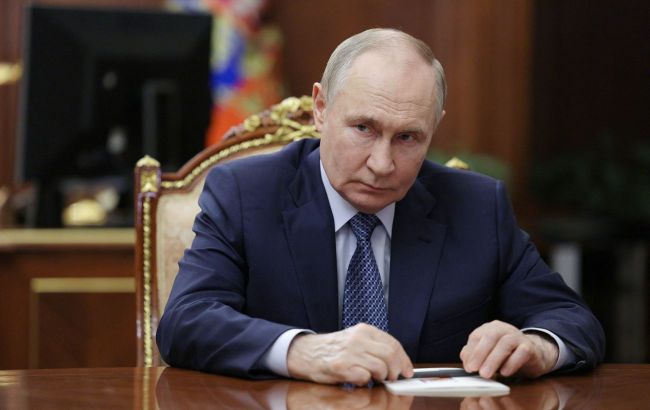 Photo: Russian President Vladimir Putin (Getty Images)
Russian President Vladimir Putin has stopped traveling to the European part of Russia that is regularly reached by Ukrainian drones since resuming his regional visits, according to the independent Russian outlet Agentstvo.
Where Putin plans to travel next
According to the outlet, Putin is expected to visit Novosibirsk next week. This will be the fifth region he visits after a long break. Only one of those trips has been to European Russia.
The Kremlin has not officially announced the visit to the Novosibirsk region. However, possible events on the agenda include the opening of the SKIF scientific facility, a visit to a local university campus, and a meeting with the regional governor.
Putin's travel routes and fears of drone attacks
Since June 2026, Putin has mainly traveled to Siberia and other remote regions that have either never been targeted by Ukrainian drones or have faced such attacks only rarely.
His recent trips include:
- July 24 – Irkutsk, where he visited an aircraft manufacturing plant;
- July 25 – Omsk, for a meeting with Kazakhstan's president;
- August 3 – Krasnoyarsk Krai, on an unannounced visit.
The only exception in the European part of Russia was Kazan, where Putin attended a pre-scheduled summit.
Authorities imposed unprecedented security measures during that visit. Security personnel were brought in from other regions, electric scooters were banned, and mobile communications were disrupted.
Moscow, St. Petersburg, and Valdai, where Putin's main residences are located, also remain exceptions.
Before resuming regional visits, Putin had rarely traveled outside those locations since November 2025.
According to sources cited in investigative reports, Putin became significantly more concerned about his personal safety after a drone attack on his residence in Valdai in December.
Putin's plans and a prolonged war
At the same time, the Russian leader continues to prepare for a long-term war.
Earlier reports said Putin plans to continue the war against Ukraine for at least another three years and is actively looking for ways to finance it. Russia has been cutting social spending and redirecting funds to the defense budget.
Russia is also facing a growing manpower shortage, prompting the authorities to look for new ways to replenish the armed forces.
As part of those efforts, Putin recently narrowed the list of criminal convictions that disqualify people from signing military contracts with Russia's Defense Ministry. Even under the revised rules, however, convicted pedophiles, extremists, and people found guilty of treason are still barred from military service.