Putin allows seizure of Russian businesses over drone attacks

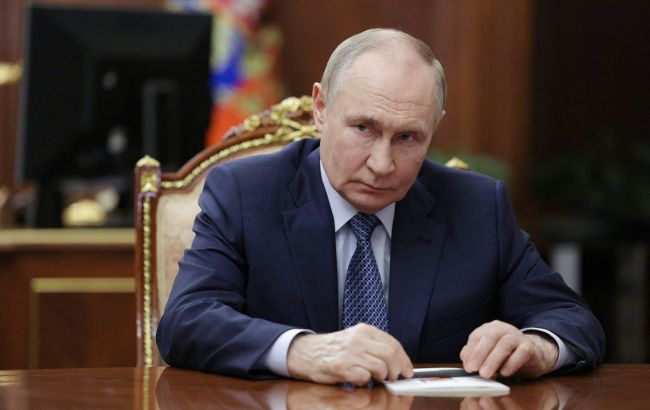 Photo: Russian President Vladimir Putin (Getty Images)
Temporary management will be introduced at critical infrastructure facilities in Russia if their owners fail to protect the property from attacks by Ukrainian drones, according to a relevant decree issued by Russian leader Vladimir Putin.
According to the document, "critical infrastructure facilities" include enterprises in the fuel and energy sector, the energy industry, manufacturing, communications, as well as utility infrastructure, transport and logistics infrastructure.
The list also includes "other facilities" of particular importance for ensuring Russia’s security and economic stability.
Grounds for introducing external management
External managers may be appointed if the owners of such enterprises:
- failed to take measures to ensure the facility’s security;
- violated protection requirements established by the Russian authorities;
- created a threat to the security and normal operation of the enterprise, including through ineffective measures to counter drone attacks;
- failed to restore damaged infrastructure following attacks.
Under the new decree, Russia’s Federal Agency for State Property Management, Rosimushchestvo, or another entity designated by the Russian government may be appointed as a temporary manager.
The Russian authorities will be able to transfer to such an entity the rights to the enterprise’s real estate, securities and other property belonging to the facility’s owner. Funding for the maintenance of the seized property will be covered by the income generated from its use.
The document has already entered into force.
The Kremlin’s new decision comes amid regular Ukrainian drone strikes on Russia’s oil refining facilities, which supply fuel to Russian forces. Major logistics centers belonging to Wildberries and Ozon have also repeatedly come under attack.
As previously reported, Ukraine’s Defense Forces struck three major logistics centers belonging to the Russian marketplace Ozon overnight. The company’s shares fell sharply as a result.
It is also worth noting that Ozon removed the addresses of 56 of its warehouses in Russia from a public directory. This happened at least 20 days before the first Ukrainian strikes on the company’s logistics centers.