Poland's foreign minister calls for talks on intercepting Russian missiles over Ukraine

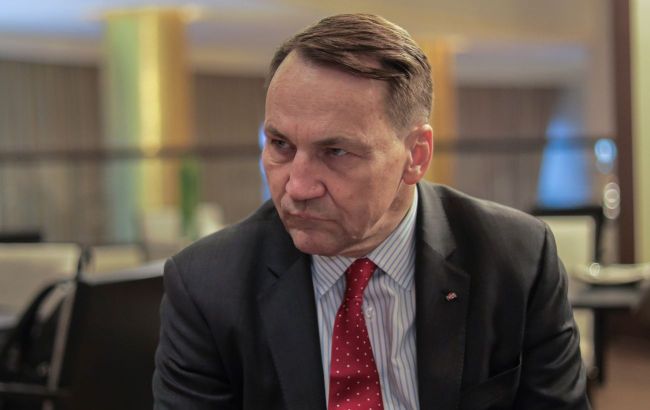 Photo: Polish Foreign Minister Radosław Sikorski (RBC-Ukraine)
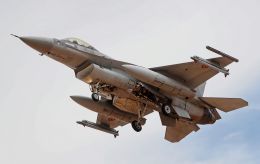
The question of intercepting Russian missiles over Ukrainian territory, rather than waiting until they approach Poland's border, requires serious discussion, Polish Foreign Minister Radosław Sikorski said.
Intercepting missiles over Ukraine
Poland's top diplomat noted that Russia hit Kyiv with ballistic missiles for several consecutive days and that Ukraine lacks sufficient defenses against them. The attacks continue to kill civilians.
"The question of whether it would be better to intercept these Russian missiles over Ukraine rather than, perhaps later, over Poland deserves a very serious discussion. It should not become a hostage to party rivalry," Sikorski said.
Sanctions on Russia and leverage
Commenting on the prospects for a ceasefire, Sikorski argued that the United States should increase pressure on Russia rather than Ukraine. He said one effective tool could be legislation named after the late Senator Lindsey Graham.
This document provides for the expansion of existing restrictions:
- The potential implementation of tariffs up to 100% on the five largest buyers of Russian oil and gas;
- Measures targeting Russia's shadow fleet;
- The expansion of sanctions against Iran.
"I would remind you that many allied countries face tariffs of 10% or 15%, while, as far as I know, there are currently no tariffs on Russia. So this can be done. It would also be good if the negotiators finally visited Kyiv for the first time instead of making pilgrimages only to Moscow," Sikorski said.
The consequences of Russia's ballistic missile strikes
In recent days, Russia has repeatedly launched missiles and drones at Ukraine, targeting civilian and critical infrastructure.
While Ukraine's air defense forces continue to repel large-scale attacks, Russian ballistic missiles remain a major challenge for the country's air defense system.
During the overnight attack on August 6, Russia launched four missiles and 101 attack drones at Ukraine. Ukrainian forces said they neutralized 66 drones, but dozens of strikes were still recorded.
A day earlier, on August 5, Russia launched 28 missiles and 115 drones. Ukraine's air defenses failed to intercept any of the ballistic missiles, although most of the drones did not reach their intended targets.
Military analysts say Russia is capable of maintaining a high intensity of strikes over a prolonged period.
According to expert estimates, Russia can launch up to 100 ballistic missiles at Ukraine each month while continuing systematic attacks on industrial facilities, warehouses, and business facilities.