Poland offers to host more US troops as Trump weighs pullout from Germany

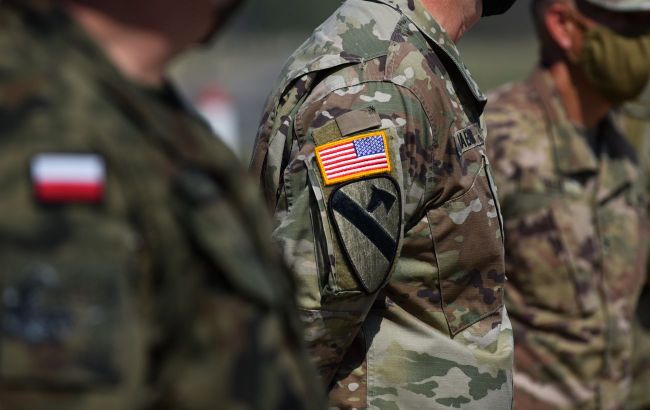 Photo: Polish and US troops (Getty Images)
Poland has declared its readiness to host additional US troops after President Donald Trump suggested they could be relocated from Germany, according to Bloomberg.
Polish Defense Minister Władysław Kosiniak-Kamysz said Warsaw is prepared to strengthen NATO’s eastern flank through a larger American military presence.
“Poland is ready to accept additional American troops in order to strengthen NATO’s eastern flank and provide even better protection for Europe,” he said.
According to the minister, the alliance between Poland and the United States remains the “cornerstone of our security.”
The statement from the Polish side came just hours after Donald Trump spoke outside the White House. Responding to reporters’ questions, the American president did not rule out relocating US troops to Poland or other countries on NATO’s eastern flank.
Trump also spoke positively about Polish President Karol Nawrocki, whom his administration had previously supported.
“We have a great relationship with Poland, I have a great relationship with the president, I endorsed him and he won,” Trump said. “He’s a great fighter, he’s a great guy, I like him a lot, so that’s possible.”
Currently, around 10,000 American troops are stationed in Poland. Against the backdrop of Russia’s war against Ukraine and the growing Russian military presence in Belarus, Warsaw has been rapidly increasing defense spending.
According to Bloomberg, Poland already spends nearly 5% of its GDP on defense — one of the highest levels among NATO countries.
Earlier, Trump confirmed plans to reduce the American military presence in Germany. According to him, more than 5,000 US troops could leave Europe.
According to Politico, some Pentagon officials were shocked by the decision, since withdrawing troops from Germany had not been planned until the last moment.
At the same time, the US Department of Defense confirmed Trump’s intentions, while one senior official privately told The New York Times that the move was “punishment for Germany” over its stance on the war with Iran.