Poland considers up to 30 years in prison for soldiers who disobey orders

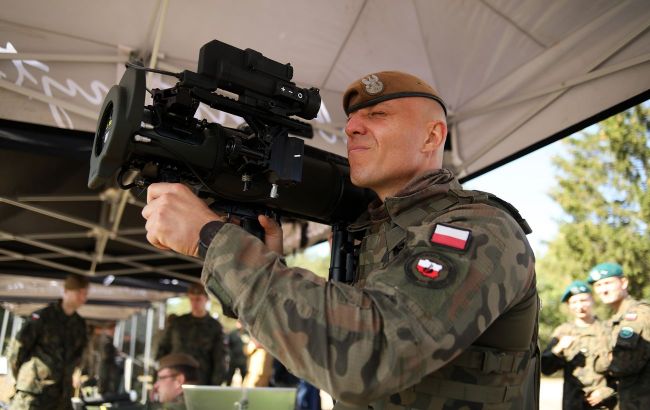 A Polish Army soldier (photo: Getty Images)
Poland has launched a sweeping review of its national legislation for a potential armed conflict, drawing on lessons from Ukraine's wartime experience. Warsaw aims to ensure its armed forces are fully prepared in the event of an invasion, Polsat News reports.
The Polish government is carefully analyzing developments in Ukraine and sees that Kyiv was forced to change its legal framework on the go. The full-scale invasion exposed gaps in the existing legislation, so Warsaw now wants to avoid making the same mistakes.
"A few months ago, the relevant agencies received a special assignment. We need to identify all the weak points in the law. We are looking to Ukraine regarding the changes it had to introduce very quickly because it was caught by the war unexpectedly, and the existing legislation was not prepared for it," Polish Minister of National Defense Władysław Kosiniak-Kamysz stressed.
The Ministry of Justice has already prepared an analytical report on major amendments to the Criminal Code. The main focus is on discipline during combat operations.
"It is important to understand that the country must be legally prepared. This is the foundation of defense. However, no final decisions have been made yet. No decisions have been taken at this point. We will analyze the situation in order to develop legislation that will guarantee the effective defense of Poland," the Polish minister emphasized.
Up to 30 years in prison for disobeying orders
The government's plans appear radical, as legal experts are proposing significantly tougher penalties for military personnel. The measures concern critical situations on the battlefield.
The proposed changes include:
-
Tougher penalties for disobeying orders;
-
Prison sentences of up to 30 years for serious offenses, such as refusing to obey an order during combat;
-
The possibility of introducing life imprisonment.
The proposals are currently under detailed discussion. The government is weighing all risks before making a final decision.
Background
Warsaw continues to prepare for a potential attack or provocations by Russia. For example, under the Eastern Shield program, Poland is accelerating military training for civilians. More than 20,000 people have signed up for voluntary training, setting a record.
However, progress on defensive infrastructure has been slower. Over the past six months, Poland has built only one kilometer of a full-scale defensive line as part of the Eastern Shield program. The defense line is planned to stretch for 700 kilometers.