'Pay for ruins yourselves': Russian forces impose new levies in Luhansk region from 2027

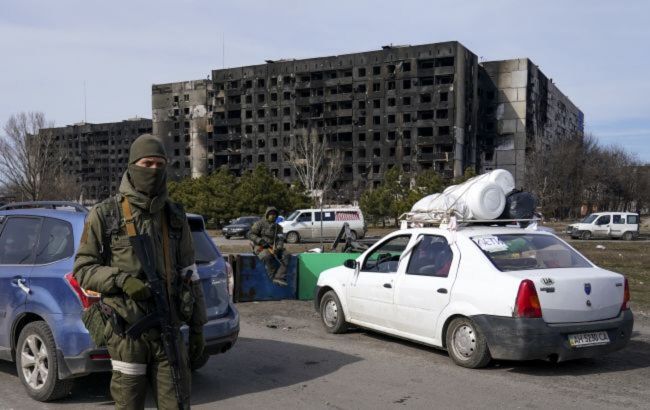 Illustrative photo: housing destroyed by Russia (Getty Images)
Russia plans to force residents of the Luhansk region to pay for repairs to 85% of housing destroyed by the war from 2027, according to the Center for National Resistance.
In temporarily occupied Luhansk, the Kremlin’s "reconstruction" has ended before it even began. Residents are now being prepared for a new financial levy that the occupiers cynically call the "Russian standard."
Under the occupiers’ plans, starting in 2027, every household in multi-apartment buildings will be required to make monthly contributions toward major repairs. This effectively forces residents to restore war-damaged housing at their own expense.
The measure is presented as a "necessary step," even though the situation in the region is catastrophic: according to official figures from the occupiers, over 12,000 homes (85%) require immediate repair. Previously, reconstruction was funded through the so-called Territorial Development Fund, creating the illusion of Moscow’s "care." Now, the occupation administration openly demonstrates that funding is being cut and the consequences of the war are being treated as each resident’s personal problem.
Why this is trap for civilians
-
Shift of responsibility: Instead of rebuilding housing destroyed by hostilities, Russia passes the burden onto people left without means of subsistence.
-
Social collapse: In a context of widespread unemployment and minimal payments in the temporarily occupied territories, the new bills will be an unbearable burden for pensioners and vulnerable populations.
-
Illusion of control: Funds are being collected now, but there are no guarantees that repairs will actually take place, especially in frontline cities.
"This is not about reconstruction; it is legalized looting on ruins," human rights experts comment.
Meanwhile, Russia has opened online access to real estate in the Zaporizhzhia region. In temporarily occupied Kherson, the Russian administration has imposed an effective information blockade, restricting local access to independent news sources and controlling the flow of information.