One EU state urges removal of temporary protection for Ukrainian refugees

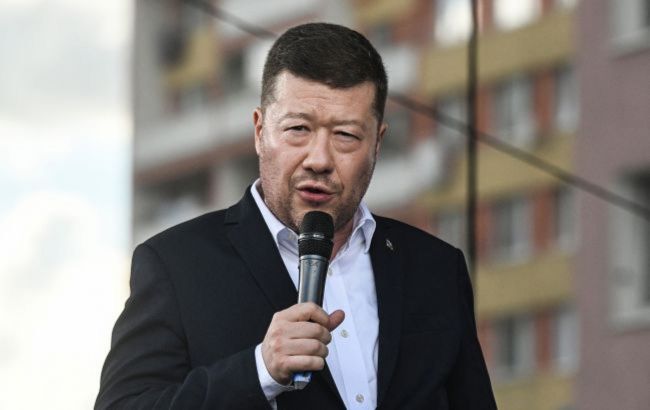 Czech Chamber of Deputies speaker Tomio Okamura (photo: Getty Images)
The Czech Republic calls for the revocation of the temporary protection status for Ukrainian refugees. The continued stay of Ukrainians in the country has come under question amid alleged public dissatisfaction and political disputes over their role in the economy, according to Speaker of the Chamber of Deputies Tomio Okamura.
Nature of dispute, remarks on air
The initiative was voiced during a televised debate on Prima TV. The politician expressed a radical position on the future status of Ukrainians in the country.
"If it were up to me, I would immediately end temporary protection," Okamura said.
He added that there are too many Ukrainians in the Czech Republic and that local residents are complaining as a result.
At the same time, representatives of other Czech parties note that Ukrainian citizens are currently in high demand to support the functioning of the construction sector, the healthcare system, and social services.
Refugee situation in Czech Republic
In response to Okamura's claims about abuse of social benefits, Civic Democratic Party (ODS) leader Martin Kupka cited official data from relevant ministries. According to them, cases of violations are isolated.
Currently, around 400,000 Ukrainian refugees are in the Czech Republic. Of these, more than 175,000 are officially employed and pay taxes, while a significant portion of the remainder are children. Moreover, the presence of such a large number of Ukrainians allows the Czech Republic to be exempt from the EU migration pact's mandatory relocation scheme.
What awaits refugees in EU
Notable that the European Union plans to extend temporary protection for refugees beyond March 2027, although future arrivals may face changes.
In particular, discussions are ongoing within the EU Council about possible restrictions on men of conscription age who arrive in the EU for the first time. At the same time, the European Commission has reassured that new rules will not affect those who already hold a protection status.
Meanwhile, long-term migration and integration are leading many Ukrainians to consider returning home. In some countries, the share of those planning to go back remains relatively high.
The main factors influencing return decisions include heavy bureaucracy, complex tax systems, and a mismatch between European daily life and initial expectations. Many migrants face financial strain and a serious crisis.
One of the biggest shocks, in particular, is the perceived conservatism in Germany, where, compared to Ukrainians' familiarity with digital public services, people are confronted with what some describe as "paper bureaucracy" and a "digital Stone Age."