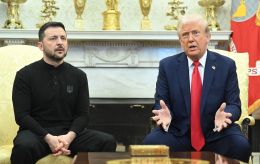
Oil prices jump after Trump softens Iran strike threats — Reuters

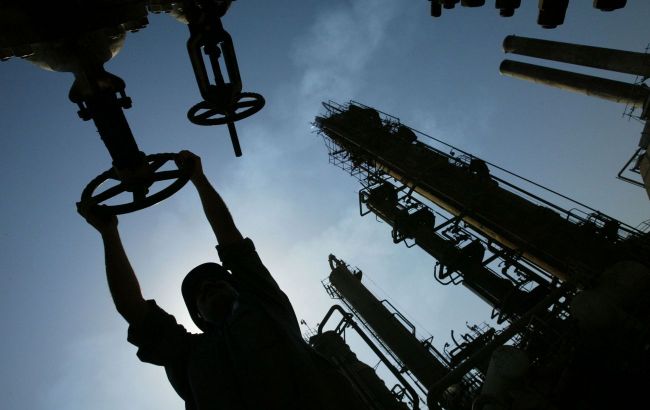 Photo: Oil prices rise as calm in Iran halts market decline (Getty Images)
Global oil prices rose as US President Donald Trump softened his threats to attack Iran after the harsh crackdown on protests, Reuters reports.
On Monday, January 19, oil prices showed minimal positive dynamics. As of 5 a.m. Kyiv time, a barrel of Brent was trading at $64.19 (+0.09%).
American WTI crude oil for February rose 0.15% to $59.53. The more active March WTI contract was valued at $59.39 (+0.08%).
Iranian factor and Trump's position
The main reason for the lull is the suppression of internal protests in Iran caused by the economic crisis. According to official data, 5,000 people died during the crackdown.
US President Donald Trump softened his rhetoric somewhat, stating on social media that Tehran had allegedly abandoned plans for mass executions of activists. This reduced the likelihood of US military intervention, which could have paralysed the world's fourth-largest oil producer.
IG market analyst Tony Sycamore says the pullback came after a rapid decline in the Iran premium, which led to 12-week highs caused by signs of easing repression by Iran against protesters.
Inventory pressure and Venezuela factor
Sycamore added that this was underscored by US inventory data, which showed a significant increase in crude oil stocks and intensified negative pressure on supply:
- US inventories: in the week ending January 9, they jumped by 3.4 million barrels, although analysts had expected a decline (minus 1.7 million).
- Chinese record: in 2025, oil refining in China increased by 4.1% and production by 1.5% (compared to 2024), which is a historic high.
Investors are paying particular attention to Venezuela. Trump announced that the US plans to control the country's oil industry after the capture of Nicolas Maduro. Washington is already preparing an extended license for Chevron, but analysts remain skeptical about rapid growth in production in this region.
At the end of December 2025, Iran was swept by the largest protests in recent years, caused by the collapse of the national currency and a severe economic crisis.
The population's discontent quickly turned into political demands, to which the regime responded with extreme harshness. The internet was shut down in the country, and according to unconfirmed reports, around 12,000 people may have been killed during the suppression of the riots.
Against the backdrop of these events, Donald Trump publicly called on Iranians to seize state institutions and promised that help was on the way.
He threatened Tehran with retribution for the killings of civilians, but according to media reports, advisers and allies in the Middle East ultimately persuaded the US President to abandon plans for direct military intervention.
Currently, official Tehran claims that the situation in the country is completely under control.