Global oil prices fall as Reuters identifies main factors

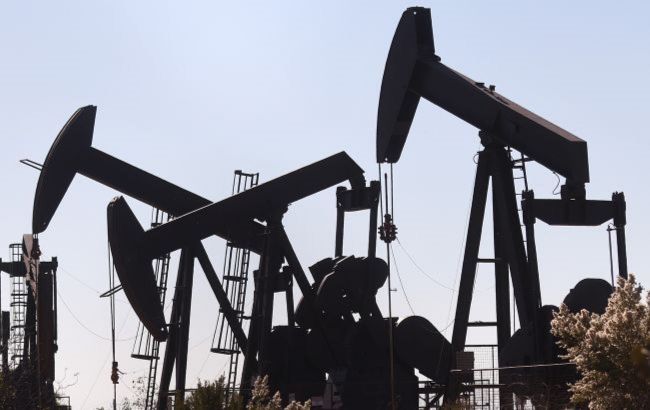 Photo: Global oil prices fell (Getty Images)
Oil prices fell amid expectations of weak demand, and as the market weighed the prospect of higher Venezuelan crude output, according to Reuters.
Brent crude futures fell 0.5%, or 28 cents, to $61.48 a barrel, while US West Texas Intermediate crude was at $58.00 a barrel, down 0.6% or 32 cents.
Priyanka Sachdeva, senior market analyst at brokerage Phillip Nova, noted the oil price response to significant geopolitical events, such as the US military action in Venezuela and ongoing strikes on Russian energy infrastructure, had been surprisingly muted, suggesting fundamental demand-supply factors remained the key concern.
Market actors surveyed by Reuters in December said they expected downward pressure on oil prices in 2026 due to rising supply and weak demand.
The administration of US President Donald Trump plans to meet this week with US oil executives to discuss increasing oil production in Venezuela.
Venezuela is one of the founding members of the Organization of the Petroleum Exporting Countries and holds the world’s largest oil reserves, estimated at about 303 billion barrels. However, its oil sector has long been in decline, partly due to underinvestment and US sanctions.
Oil analysts said Venezuela's output could rise to around 500,000 barrels per day over the next two years if political stability is restored and US investment flows into the country.
Oil price dynamics
According to reports on January 5, global oil prices began to fluctuate sharply after the United States carried out a special operation in Venezuela, creating market uncertainty about the future of the world's largest crude oil reserves.
Most analysts expect oil prices to decline early this year, following a 20% drop in 2025, to current Brent levels of just over $60 per barrel.
Despite the turmoil in Venezuela, OPEC+ has given no signal of an immediate change in strategy. Eight members of the group held a brief meeting and agreed to maintain the pause in output increases at least until April.