Netanyahu warns Israel may have to face Iran alone

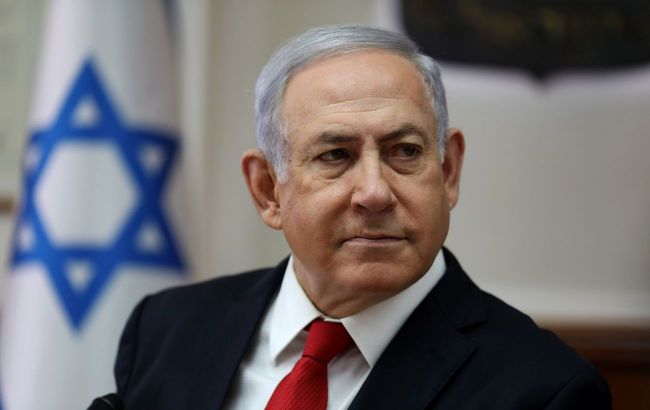 Benjamin Netanyahu, Prime Minister of Israel (photo: Getty Images)
Israel may find itself in a situation where it has to confront Iran alone — without US support — said the country's Prime Minister Benjamin Netanyahu, according to The Jerusalem Post.
In Jerusalem, there is growing concern that US President Donald Trump may not give Israel the green light in response to Iranian attacks, even in the form of a limited or symbolic strike.
"We may have to strike without American backing, despite all the costs involved," Netanyahu said on Tuesday during a meeting of the security cabinet.
According to Netanyahu, Jerusalem does not want to get to that point, but knows it is capable of taking such a step.
Trump–Netanyahu conversation
During a phone call between the Israeli prime minister and US President Donald Trump, the latter did not outright reject an Israeli response to Iranian attacks, but made it clear that he wanted a measured reaction.
Trump also told Netanyahu that Washington was close to a deal with Tehran on a peace agreement.
However, that same evening, the IDF struck several Iranian targets, including radar systems, anti-aircraft batteries, weapons production facilities, and a petrochemical plant.
This was Jerusalem's response to rocket fire on northern Israel, which became another obstacle to a peace deal between the US and Tehran.
But it is important to note that the Israeli military had planned a much larger attack on Iran, involving about 50 aircraft, but after Trump's conversation with Netanyahu, its scale was reduced.
Trump's approval of the Jerusalem strike was supposedly to be given during the leaders' conversation, when the US president said that Tehran had sent a message about a ceasefire.
The White House chief clearly expressed his disagreement with a large‑scale Israeli attack, which ultimately led to the operation being canceled.
Trump puts diplomacy first
Israel is concerned that, given Trump's push for a diplomatic deal, he might oppose even a symbolic strike the next time tensions escalate.
At the same time, Washington expects significant progress in negotiations with Tehran early in the week, a source familiar with the situation told The Jerusalem Post.
Moreover, Trump told journalists that a deal with Tehran could be signed within the next two or three days, although he is frustrated by his inability to establish direct contact with Iran's supreme leader, Mojtaba Khamenei.
However, Jerusalem is skeptical about the announced US–Iran deal. At a cabinet meeting on Sunday, Chief of the General Staff of the Israel Defense Forces, Eyal Zamir, said the military considers virtually any deal with Tehran to be a bad one.
Earlier on Sunday, US Vice President JD Vance told Fox News that Israel might like the deal the US signs with Iran, but it might not like that the deal serves Washington's interests.
Also, details of the Trump–Netanyahu phone call have recently emerged. The US president warned the Israeli leader that if Jerusalem's attacks escalate into a full‑scale war, he might find himself alone against the Iranians.