NASA astronauts to take selfies with Earth using unexpected gadget in space

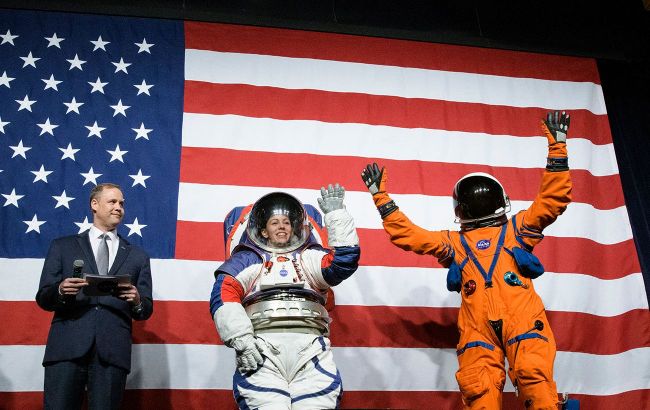 Illustrative photo: NASA astronauts will be able to take the latest smartphones into space (Getty Images)
NASA astronauts will soon be able to take the latest smartphones into space for personal use and work. The certification process for modern equipment for space travel has been significantly accelerated, according to NASA Administrator Jared Isaacman.
Read also: US to build nuclear reactor on Moon by 2030
New opportunities for crews
According to Isaacman, the use of modern smartphones will begin during the Crew-12 mission to the International Space Station and Artemis II, the first crewed flight around the Moon.
The main goal of this move is to allow astronauts to capture special moments for their families and share inspiring images with the world in real time.
NASA changes approach
Isaacman emphasized that implementing this initiative required the agency to overhaul outdated bureaucratic processes.
"We challenged long-standing processes and qualified modern hardware for spaceflight on an expedited timeline. That operational urgency will serve NASA well as we pursue the highest-value science and research in orbit and on the lunar surface," the administrator said.
He called the transition a "small step in the right direction," enabling NASA to be more flexible in integrating consumer technologies into complex research missions.
Why it matters
While smartphones have been taken into space before, they were considered only personal items of the crew without official status. Now, they will become fully recognized work tools.
Previously, astronauts used cameras that were released over ten years ago for photography.
This change will allow NASA to be more flexible: instead of spending 5–10 years testing a single camera, the agency can now deploy modern consumer technologies faster for photography and scientific research.
Earlier, NASA and Axiom Space signed a contract for the fifth private crewed mission to the International Space Station (Axiom Mission 5), scheduled for January 2027.