Mysterious volcano awakened after 40 years of dormancy: Scientists declare red alert

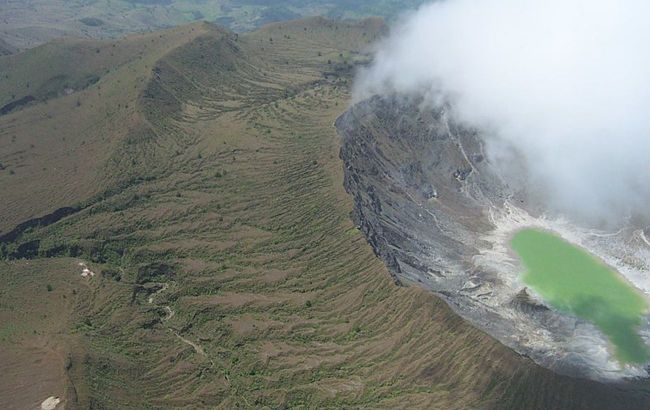 A deadly volcano has awakened in Mexico (photo: flickr.com/José Alfredo)
One of the most dangerous volcanoes has begun showing new signs of activity after 40 years of dormancy. Researchers who conduct round-the-clock monitoring of the site have recorded a series of abnormal phenomena inside the crater. Given the volcano’s bloody history, any changes in its "behavior" are causing serious concern both within the scientific community and among local residents. Green Matters explains which volcano scientists are referring to and whether there is a threat of a new deadly eruption.
Anomalies in the crater: What scientists have recorded
The volcano in question is El Chichón, also known as Chichonal, in Mexico. The changes were documented by specialists from the National Autonomous University of Mexico (UNAM) during a monitoring mission that lasted from June to December 2025.
According to the researchers’ report, the volcano is showing a clear increase in internal temperature and changes in the chemical composition of its environment. One of the most visible signs of activity has been a change in the color of the crater lake.
It typically has a bright green color due to specific algae, but recently the water has turned grayish. This indicates a significant release of sulfates and silica. In addition, thermal measurements at the bottom of the lake and around it have shown temperatures significantly above background levels.
Sulfur spheres and toxic gases
Researchers also discovered unique and somewhat alarming formations in the crater — hollow sulfur spheres. These form in pools of molten sulfur under the influence of gaseous bubbles.
In addition, gas sampling confirmed high concentrations of hydrogen sulfide ($H_2S$) and carbon dioxide ($CO_2$). These gases pose a direct threat to all living beings, as they can accumulate in low-lying areas, causing suffocation in animals and humans near the danger zone.
Should an eruption be expected: Experts’ opinion
Despite the visually alarming signs, volcanologists urge calm. Dr. Patricia Jácome Paz from UNAM explained that the recorded activity is most likely hydrothermal in nature. This means that overheated groundwater is interacting with hot rock, creating a "boiling kettle" effect.
The main reassuring factor is the absence of seismic activity. Sensor data show that magma deep beneath the volcano is currently not moving. Therefore, there are no signs of an imminent eruption that could replicate the events of the past century.
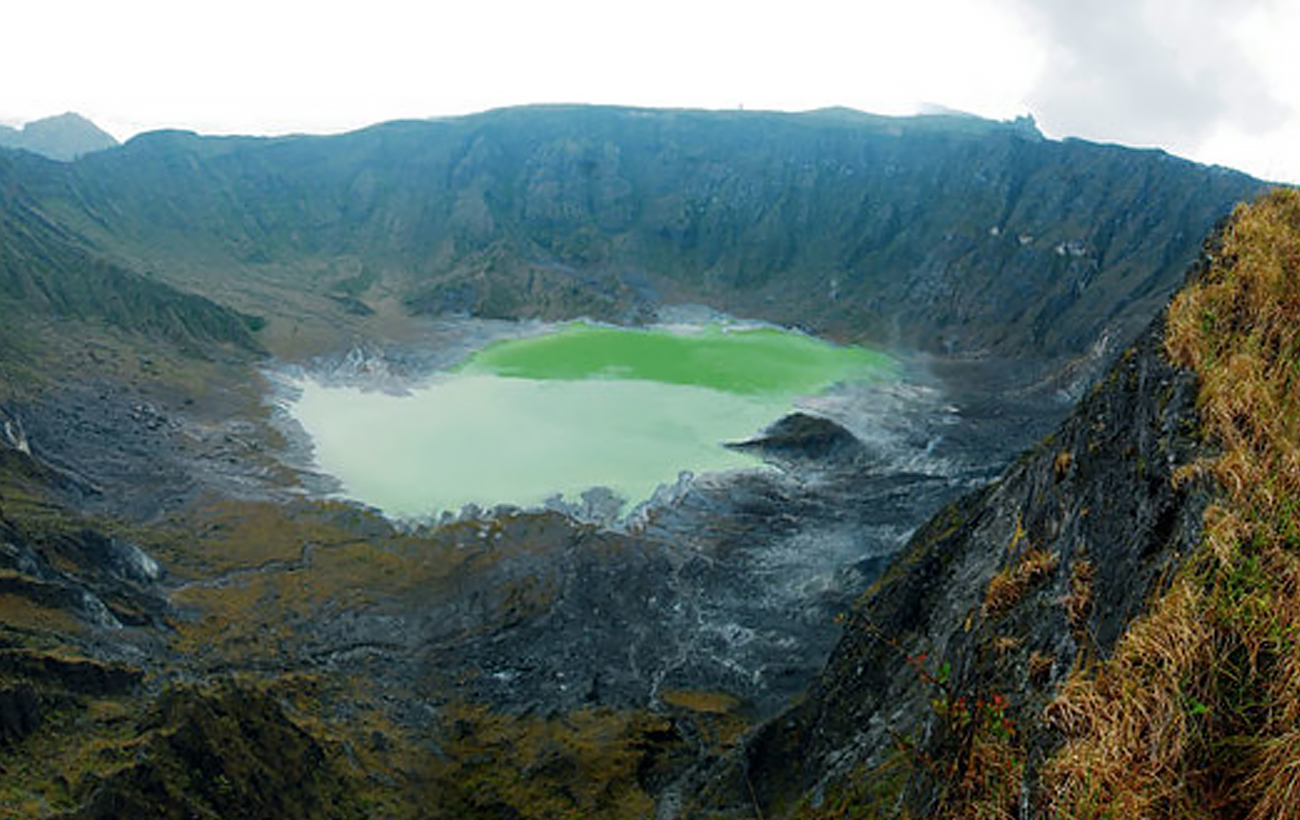
El Chichón volcano (photo: flickr.com/jaime_avalos)
1982 tragedy: Why El Chichón is so feared
Concern around Chichonal is entirely justified, as the memory of the 1982 disaster remains vivid. After centuries of silence, the volcano erupted in a series of powerful explosions that lasted from March to April.
The scale of the catastrophe was staggering — the eruption claimed at least 2,000 lives, making it one of the deadliest in Mexico’s history.
Pyroclastic flows — a mixture of gas, ash, and rock — completely destroyed surrounding villages, buried coffee plantations, and wiped out the region’s infrastructure.
Ash clouds rose so high into the atmosphere that they affected the planet’s climate, causing a slight drop in global temperatures for the following years.
Since then, access to the volcano for tourists has been restricted, and the site has become a crucial area for studying how dormant giants recover after major eruptions.
Monitoring the future
Currently, scientists are using drones, satellites, and highly sensitive instruments to track ground deformation and thermal anomalies.
Experts emphasize that even decades of silence can mask dangerous processes deep beneath the surface. Continuous monitoring is the only way to alert the population in time if the situation begins shifting toward volcanic activity.