'Magic of business' instead of pressure: Trump backs plan to ease sanctions on Russia

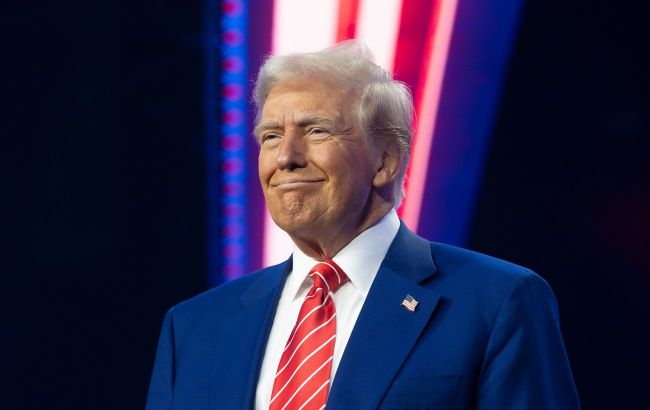 Photo: US President Donald Trump (Getty Images)
Trump’s envoy is working on a deal to exchange political prisoners in Russia for easing US sanctions. This would pave the way for business deals before the war in Ukraine ends, The Atlantic reports.
Trump’s plan to improve relations with Russia
Several months ago, US President Donald Trump’s envoy to Eastern Europe, John Coale, approached him with a new idea. It concerned a way out of the deadlock in US relations with Moscow, the outlet writes.
The plan was based on the principle of “service for service”: the Kremlin would release some political prisoners, while the US would ease sanctions on the Russian economy in return. Trump agreed to this, The Atlantic reports.
This new initiative is in its early stages and has not been publicly announced. However, it could advance several of the US president’s goals at once:
- Help reintegrate Russia into the global economy,
- Expand Trump’s negotiations with the Kremlin beyond the war in Ukraine.
This could help the US sign lucrative deals involving:
- Russian oil,
- Diesel fuel,
- Rare-earth minerals,
- Other goods.
The outlet writes that releasing prisoners on humanitarian grounds could strengthen Trump’s case for receiving the Nobel Peace Prize.
Reaction from the world
However, this new approach to engagement with Russia is likely to anger Ukrainians, Europeans, and even many of Trump’s allies on Capitol Hill, the outlet says.
After all, a potential business deal between the US and Russia risks directing money to the Russian military during its war against Ukraine and amid its threats of a broader war against Europe.
Envoys seek ways forward
Even amid the signing of Lindsey Graham’s bill on "bone-crushing" sanctions against Russia, Trump’s diplomatic envoys are quietly looking for ways to ease US sanctions and do business with Moscow, journalists noted.
Last week, Trump announced that the US was negotiating with Belarus on a "massive" potash deal. John Coale, Trump’s former lawyer, told the outlet that Russia was also involved in the negotiations.
Since the start of the war in Ukraine, the US has avoided trade deals involving Russia. According to Coale, this deal would be a rare exception and would help advance the cause of peace.
John Coale spent more than a year testing a new strategy in Belarus. In negotiations with dictator Alexander Lukashenko, he secured the release of hundreds of prisoners from Belarusian prisons. In return, the US eased sanctions against the Lukashenko regime and agreed to purchase potash.
Coale has now decided to try the same approach with Russia.
Money from a peace deal
Trump’s envoys want to reassure Putin by promising economic growth. After his visit to the Kremlin in early September, Jared Kushner spoke about the money that could be made from a peace deal. According to him, this is an important part of Trump’s strategy.
In recent weeks, Ukrainians have been stunned, the outlet writes, to hear Trump’s envoys using peace talks as a means of advancing business deals.
"This is the thing that drives them now," one negotiator told The Atlantic about the Americans.
A second negotiator added, "They believe in the magic of business. They think that if they make these business deals, the Russians will not lapse back into militarism" after the war"
For now, the second negotiator added, Trump’s envoys do not see a way to do business with Russia without at least a partial ceasefire in Ukraine.
But Coale’s strategy offers a possible workaround. The release of Russian political prisoners could give the US grounds to ease sanctions and create room for financial transactions with Russians.
In Coale’s view, such deals could help bring the war in Ukraine closer to a ceasefire by easing tensions between Russia and the West.
"Economic ties usually result in normality," he told the outlet.
How the plan is being implemented
Yesterday, the White House nominated Coale for the position of special presidential envoy for hostage affairs with the rank of ambassador. His nomination still needs to be approved by the Senate.
“The President and his team remain committed to continuing to play a constructive role in ending the war between Russia and Ukraine, and he remains optimistic that we’ll ultimately get a peace deal done,” asked to comment on his mission, a White House official said.
Coale plans to coordinate his efforts with Steve Witkoff, who is Trump’s main point of contact with the Russians.
The deal with Belarus was largely the result of Coale’s efforts. In response to the release of political prisoners, the US lifted some of its sanctions against the country’s regime to allow the deal to move forward.
European countries did not agree to ease their own sanctions against Belarus and refused to allow potash from Belarus to be transported through their territory. This means the potash will likely be transported through Russia before reaching international markets.
“If the West is buying potash, then they’ve got to deal with the Russians and the Belarusians. So you’re sitting down at a table, and you’re haggling over price or finding the routes to get it out,” Coale told the outlet.
Coale said his strategy would not leave Ukraine behind, but would focus on strengthening ties between the US and Russia. The goal is to encourage Putin to end the war as part of a broader business and trade agenda with the West.
Earlier, RBC-Ukraine reported that Belarus had no free volumes of potash fertilizers left for Western countries. Everything produced there has already been allocated under existing contracts.
In addition, Washington reported that it was preparing a "massive deal" with Belarus to purchase potash fertilizers, which are expected to cost less than products from Canada.