Lithuania extends ban on transit of goods to Russia until 2027

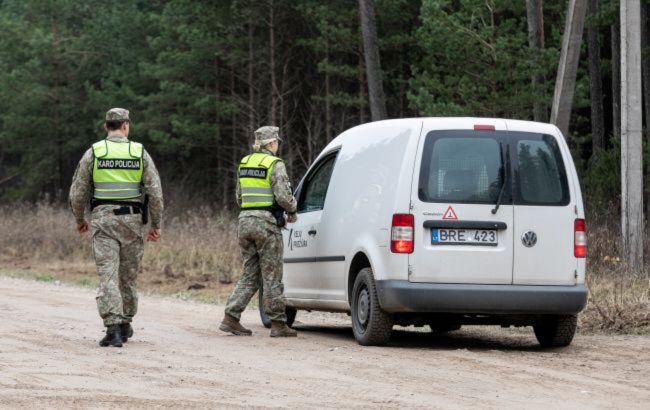 Photo: Lithuanian border guards (Getty Images)
Lithuania is extending temporary restrictions on the transit of certain goods through its territory in order to prevent their potential military use and to strengthen regional security, according to a publication by LRT.
Extension of transit restrictions
Lithuanian authorities have decided to extend until January 2, 2027, temporary restrictions on the road transit of certain dual-use goods.
These measures are aimed at preventing their possible use in the armed conflict against Ukraine and at strengthening security across Europe.
Reasons for extension
According to Lithuania’s Ministry of Economy, the restrictions introduced earlier have already helped reduce the flow of goods to Russia and Belarus. However, the risk of sanctions circumvention remains.
Extending the measures will ensure more effective enforcement of international restrictions and reduce the risk of violations.
Future control measures
Lithuania plans to introduce additional export control mechanisms for high-risk goods in line with European Union regulations.
These steps are intended to strengthen monitoring and prevent the unauthorized use of strategic items.
The extension of the temporary restrictions confirms Lithuania’s strategic approach to security and compliance with international sanctions, and demonstrates the country’s readiness to adapt control measures in response to evolving threats.
Background
Earlier, Lithuania announced plans to establish a new military training ground in the Suwałki Corridor area. The brigade-level facility is expected to become an important element in strengthening Lithuania’s and NATO’s defense capabilities along the vulnerable border with Belarus.
The Lithuanian government previously declared a state of emergency nationwide due to contraband weather balloons launched from Belarus, which were assessed as posing a threat to national security.