Kremlin to expand its list of targets for strikes on Ukraine this winter - NYP

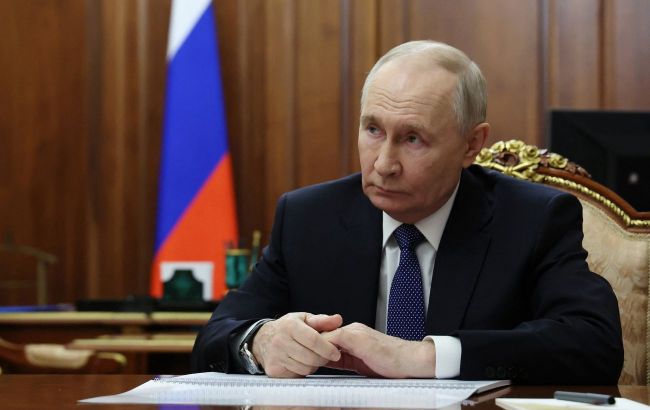 Photo: Russian President Vladimir Putin (Getty Images)
Bet on a humanitarian crisis
Following a failed spring offensive, during which Russia for the first time in three years lost more territory than it captured, the Kremlin is preparing a large-scale winter campaign against Ukraine.
Its goal is to inflict maximum damage on civilian infrastructure and exert pressure on Ukrainian society.
"Putin will wait for the winter again to resume the large-scale strikes and create a humanitarian crisis to get concessions in the Donbas issue," said CSIS senior fellow Maria Snegovaya.
According to her, the strikes are expected to be even more intense than last winter, when Russia launched record numbers of drones and missiles at critical infrastructure on a daily basis.
New targets – railways and water
ISW analyst Kateryna Stepanenko predicts that Russia will expand its target list. In addition to the energy sector, strikes will be directed at:
- Ukraine’s railway system — to disrupt supply lines;
- Water infrastructure.
Snegovaya, who recently returned from Ukraine, emphasized that the fear of a harsh winter remains central for ordinary Ukrainians, and Putin is trying to exploit this in a desperate attempt to get out of the current situation.
Russia’s economy in a deadly spiral
According to Russia’s Ministry of Finance, the federal budget deficit for the first five months of 2026 rose to $81.4 billion — twice as much as during the same period last year. The country’s expenditures increased by 17%, while revenues from oil and gas fell by nearly 30%.
Russia’s gold reserves in April decreased by 5.7 tons — the largest drop in a quarter of a century.
"Russia’s gold reserves are being drained, the civilian market is seeing labor shortages and the economy has taken a significant hit," Stepanenko said.
Recruitment crisis
The pace of recruiting contract soldiers in Russia fell in May to approximately 30,000 people per month — less than the number of military losses over the same period.
Due to the decline in recruitment, the Kremlin has begun to deliberately target university students.
According to Australia’s ABC, university rectors are offering to cancel tuition fees and erase poor grades for those who sign a contract.
In April, the Kremlin set a 2% quota for universities to recruit male students.
In one leaked recording, the director of a transport college in Siberia called 18-year-old students "cowards" for refusing to go to war.
"What are you afraid of? Who made you this scared? Who’s gonna protect us?" she asked the class in anger.
According to Stepanenko, Russia is already offering recruits payments of around $140,000 for signing contracts, further deepening the country’s economic problems.
Experts warn that the Kremlin could exploit Telegram bans and internet restrictions in Russia to push through unpopular measures under the cover of communication disruptions, avoiding mass protests.
"We could see mobilization, decrease compensation for recruits and veterans, maybe even the nationalization of the properties of Moscow elites to raise funds for the war," Stepanenko added.
Earlier, RBC-Ukraine reported that Russian occupying forces have already shifted strike priorities — in addition to energy infrastructure, the main focus has moved to defense industry facilities and the gas production sector.
Ukrainian authorities are preparing for winter in advance: the National Security and Defense Council (RNBO) has approved regional resilience plans for the 2026/2027 autumn-winter period. Concrete protective shelters have already been installed at most substations, some of which have withstood more than 20 Shahed drone hits.