Kremlin’s policies pushing citizens into debt: Intel reports reveal critical situation in Russia

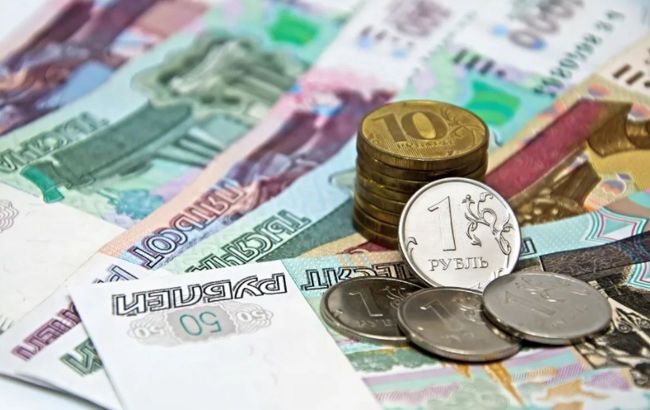 Illustrative photo: Russians are increasingly turning to pawnshops for money (corporatefinanceinstitute.com)
Russians are increasingly turning to pawnshops due to a lack of funds for daily expenses and loan servicing. In 2026, this trend continues to grow by 7–10% each month,l according to the Foreign Intelligence Service of Ukraine.
Why Russians are choosing pawnshops
According to intelligence data, the main reasons for the mass shift of Russian citizens to pawnshop services are a significant decline in incomes, high bank interest rates, and damaged credit histories.
In 2025, the flow of clients in this sector increased by 15%, while the net profit of pawnshops rose by nearly 50% compared to the previous year.
Experts estimate that the pawnshop market in Russia could reach 1 trillion rubles this year. The sector is developing so rapidly that some market players are already negotiating the acquisition of banks.
Features of borrowing
Currently, the number of loans amounts to 2–2.5 million per year, while the average loan size continues to grow.
As collateral, Russians are increasingly using cars, jewelry, and luxury watches.
"The public’s turn to pawnshops in Russia reflects a lack of trust in official banking credit policies," the agency notes, adding that the rejection rate in such institutions is minimal at only 0.4%.
At the same time, according to the Central Bank of the Russian Federation, only in January 2026, Russians withdrew a record amount from bank cards since 2022 — 1.6 trillion rubles.
"Pawnshops in Russia are becoming a mainstream financial instrument," analysts emphasize.
Economic crisis in Russia
The Russian economy continues to suffer significant losses amid sanctions and successful strikes on energy infrastructure. As reported by RBС-Ukraine, the oil giant Rosneft lost nearly 73% of its net profit in 2025, which the company’s head described as an "ideal storm."
Also, due to recent drone attacks on the ports of Ust-Luga and Primorsk, there was a collapse in seaborne oil exports, costing the Kremlin more than $1 billion in just one week.
In addition, on April 1, a so-called oil paralysis in the Baltic region was reported. Due to the suspension of oil and liquefied natural gas (LNG) exports through Baltic ports, the aggressor country is losing over $70 million per day.