Israel-Iran clash intensifies overnight after truce collapses

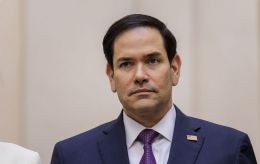
 Photo: The ceasefire in the Middle East ended with an exchange of fire between Israel and Iran (Getty Images)
Israel and Iran exchanged direct strikes for the first time since April. It all began with an Israeli attack on Beirut, and within a few hours, it escalated into mutual strikes on cities in both countries.
RBC-Ukraine has compiled the key developments from the night.
Key points
- Israel struck Beirut. Iran responded by firing ballistic missiles at Israel
- The Israeli military intercepted approximately 10 Iranian missiles. There were no casualties from direct hits
- Trump personally asked Netanyahu to refrain from retaliating, but Israel rejected this request and launched strikes against Iran
- Explosions were heard in Tehran, Tabriz, and Isfahan
How it all began
On the evening of Sunday, June 7, Israel carried out airstrikes on Dahieh, a southern suburb of Beirut where the Iranian-backed group Hezbollah has positions.
This was the third strike on the Lebanese capital since the April ceasefire between the US, Iran, and Israel. Upon learning of the strike, Trump publicly stated that it was not coordinated with the US and that he was dissatisfied with it.
Iran's strikes
Late in the evening, Iran launched at least three waves of ballistic missiles at Israel, the first such attack since April. The Israeli military intercepted all approximately 10 missiles; there were no casualties from direct hits. Several people were injured while rushing to shelters.
Schools in Israel are closed on Monday. Iraq and Syria have closed their airspace. The missiles flew over Jordan, where an air raid alert was issued. The US closed its embassy in Tel Aviv and ordered its staff to remain in shelters.
Trump and Netanyahu's negotiations
Following the Iranian missile launches, Trump called Netanyahu and personally asked him to refrain from a military response to save the negotiations with Iran, which he considered to be nearing completion.
Earlier that day, he told the FT that Netanyahu didn't make decisions and would have no choice but to accept whatever deal the U strikes with Iran.
Trump sent a different message to Iran:
"What I would suggest to Iran: You've shot your missiles, that's enough. Get back to the table and make a deal," he told Fox News.
Israeli strikes
Israel rejected Trump’s request. Early on the morning of June 8, the Israeli military struck missile launchers and military infrastructure targets in western and central Iran.
Explosions were heard in Tehran, Tabriz, and Isfahan. According to local media, there were no casualties in Iran.
On Monday morning, the Israeli military reported a new wave of Iranian missiles heading toward Israel.