Iraq pauses oil output at overseas fields as Gulf war intensifies - Reuters

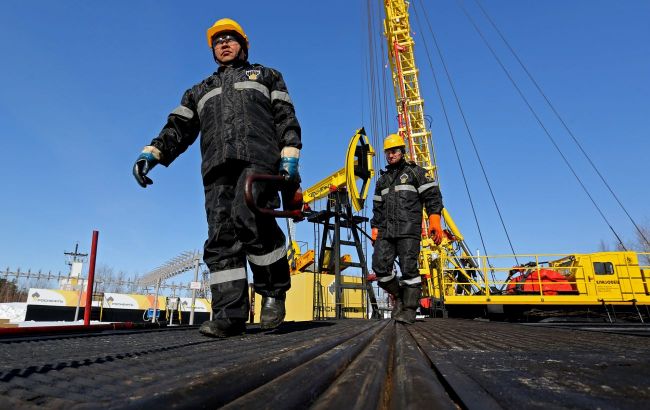 Oil extraction (Illustrative photo: Getty Images)
Iraq halts oil production at foreign fields due to the blockade of the Strait of Hormuz, according to Reuters.
Thus, Iraq officially declared force majeure at all oil fields operated by foreign companies.
According to a letter from Iraq's Ministry of Oil dated March 17, seen by Reuters, the unprecedented military activity in the region has paralyzed traffic through the Strait of Hormuz — a key chokepoint through which about 20% of the world's oil and liquefied gas supply passes. This has led to an effective halt of most of the country's oil exports.
Critical situation with storage and production
Due to the inability to export crude oil, oil storage capacity in Iraq has reached its limit.
The document notes that international partners were unable to nominate tankers for oil transportation, despite the readiness of the state-owned company SOMO to load shipments.
Consequences for the oil industry:
- Complete production halt: The Ministry ordered the cessation of production at the affected concession areas. The force majeure conditions provide for the suspension of production without compensation payments to companies, as stipulated in the contracts.
- Collapse in output: Oil Minister Hayan Abdel-Ghani confirmed that production by the Basra Oil Company fell from 3.3 million to just 900,000 barrels per day (the remainder is used only for domestic refinery needs).
The halt in exports poses a critical threat to Iraq's finances, as oil sales account for more than 90% of state revenues.
The situation is unfolding against the backdrop of a three‑week war between the US and Israel on one side and Iran on the other. The conflict has already spread beyond Iranian territory: Tehran is striking Israel and the Arab Gulf states, where US military facilities are located. In turn, Israel is attacking Hezbollah targets in Lebanon.
Against this backdrop, global oil prices have reached their highest level in four years.
Iraq has called on foreign oil companies to hold urgent talks to coordinate staffing and costs under the force majeure conditions, adding that the restrictions regime will be reviewed depending on how the situation in the region develops.
After US and Israeli strikes on Iran in late February, Iran began attacking commercial vessels and threatened to close the Strait of Hormuz.
Last year, about 13 million barrels passed through it daily, accounting for roughly 31% of seaborne oil shipments. The Strait is the main transportation artery for the Arab monarchies, Iraq, and Iran.
Over the past few weeks, more than 20 commercial vessels have been attacked or damaged, with some crew members killed or missing. As a result, most shipping companies have suspended voyages through the strait, and tanker traffic has nearly come to a halt.
Now, Iran is demanding a fee from tankers for passing through the Strait of Hormuz.