Iran's nuclear bunker: Why even the US's strongest bombs may be powerless

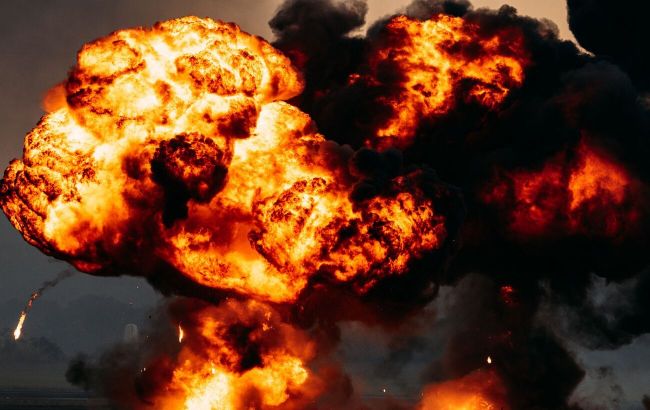 Nature-built nuclear shield withstands thousands of atmospheres of pressure (Photo: Unsplash)
Iran's underground nuclear facility beneath Mount Pickaxe may be protected not only by layers of reinforced construction but also by the mountain's unique geology. New research suggests that volcanic rock could significantly reduce the effectiveness of even the United States' most powerful bunker-buster bombs, according to SciAM.
A natural fortress
Mount Pickaxe, known in Iran as Kuh-e Kolang Gaz La, is located about 220 kilometers (137 miles) south of Tehran. Rising nearly 1,610 meters (5,282 feet) above sea level, it was formed millions of years ago as a result of tectonic plate movement.
The mountain's key defensive advantage lies in its geological structure:
- Its limestone layers are reinforced with andesite, an exceptionally hard volcanic rock.
- Andesite can withstand pressures ranging from 145 to 296 megapascals (more than 1,400–2,900 atmospheres).
- The rock is structurally similar to material found at Mount St. Helens in the United States.
According to estimates by the Institute for Science and International Security (ISIS), the underground complex is located at a depth of at least 100 meters (328 feet) beneath the mountain's surface.
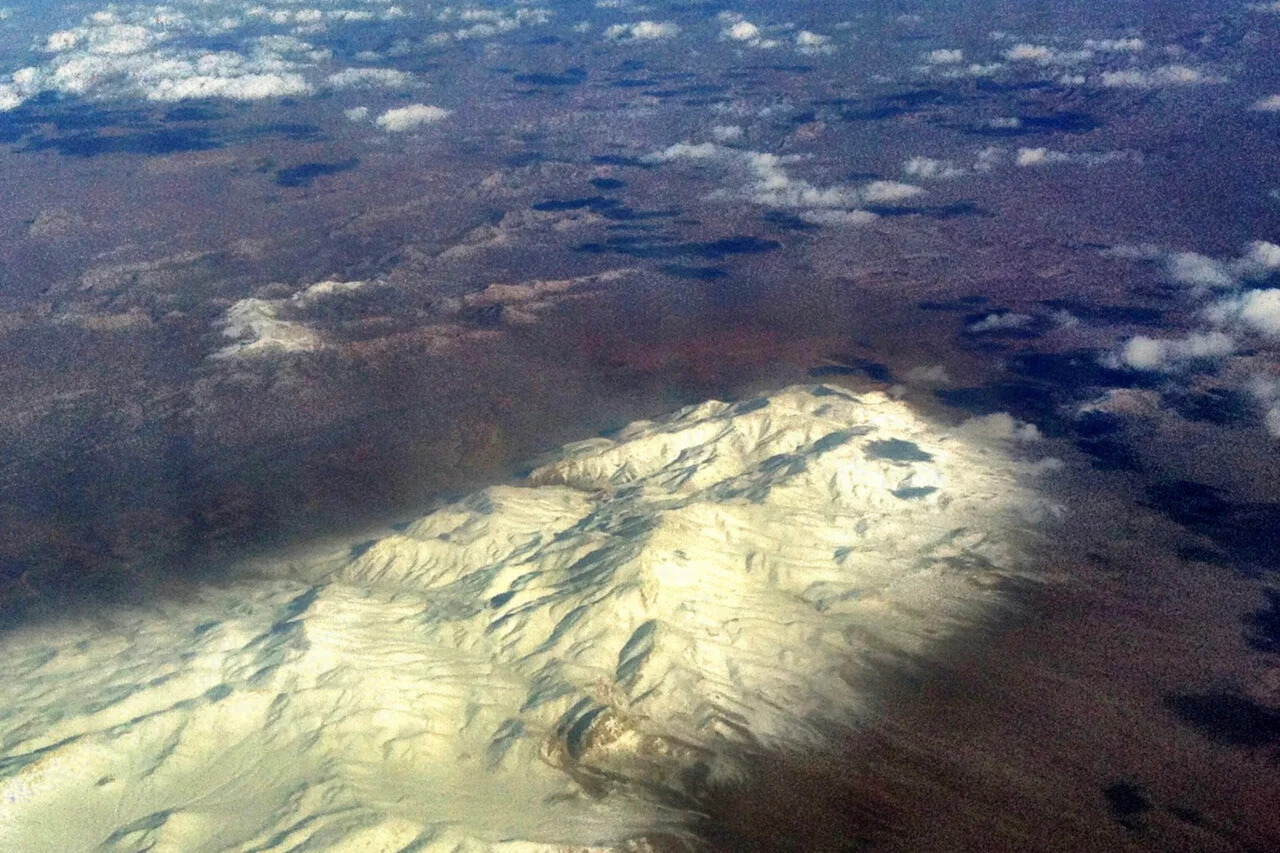 Mount Pickaxe, known locally as Kuh-e Kolang Gaz La, is part of Iran's Zagros mountain range (Source: Flickr)
Limits of US weaponry
The potential use of America's most powerful GBU-57 bunker-buster bombs has raised legitimate doubts among military analysts.
According to available data, the more than 12-ton munitions can penetrate only about 7.9 meters (26 feet) of medium-strength rock.
That would make them ineffective against uranium enrichment centrifuges if they are indeed located at the reported depth beneath a shield of andesite rock.
Read more: Europe unveils its own Tomahawk alternative capable of striking targets more than 1,000 km away
Iran's ambitions
Construction beneath Mount Pickaxe is believed to have begun around 2020. The site is intended to replace the centrifuge assembly facility in Natanz, which was damaged in a sabotage attack.
Farzin Nadimi, a senior fellow at the Washington Institute for Near East Policy, says Tehran aims to consolidate its future uranium enrichment activities and weapons-related development at a single, highly protected location for security reasons. In his view, Mount Pickaxe is the most logical choice.
At the same time, the Institute for Science and International Security (ISIS) stresses that the timeline for the facility becoming operational remains unknown.
Analysts also question the value of potential airstrikes against what they describe as an "almost impregnable mountain," especially when the underground nuclear facility may not yet be fully operational.