Iran quietly restores nuclear facilities after attacks, satellite photos reveal — The Telegraph

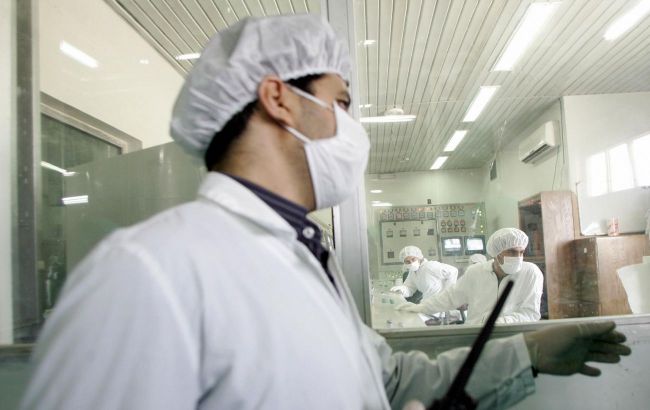 Iran’s nuclear program (Photo: Getty Images)
Satellite images have captured the resumption of work at Iran’s damaged nuclear facilities following strikes by the US and Israel, according to The Telegraph.
New images from the American company Planet Labs PBC, released in late January, show that Iran has begun restoration efforts at nuclear sites damaged during a 12-day conflict with Israel.
The images clearly show that at two key facilities, in Natanz and Isfahan, roofs have been rebuilt over buildings that were previously heavily damaged.
This is the first recorded activity at these sites since the end of the hostilities in June and may indicate that Iran is moving from assessing the damage to taking practical action.
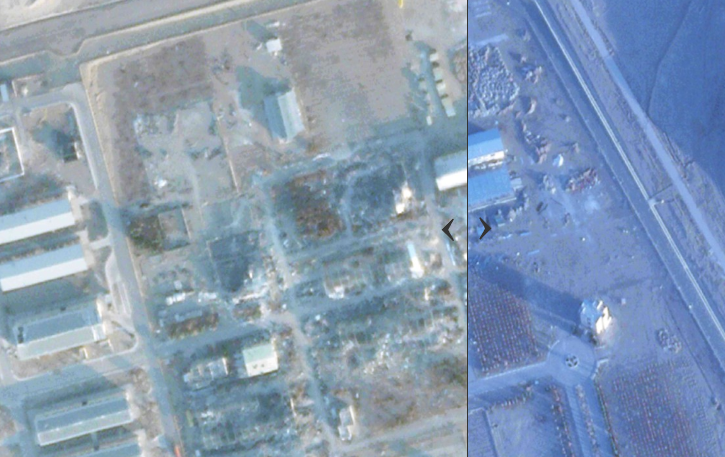
Iran quietly restores nuclear facilities after attacks (Photo: The Telegraph)
Nuclear security experts suggest that the reconstruction of the buildings could be a cover for work inside the facilities. In particular, this may involve attempts by Iranian specialists to locate and preserve equipment, components, or nuclear materials that survived the bombings and were not destroyed during the Israeli and US strikes.
Analysts are paying particular attention to the site in Natanz, one of the main centers of Iran’s uranium enrichment program.
This was previously home to a pilot fuel enrichment plant, considered a key element of a potential military nuclear cycle. Any infrastructure restoration at this site immediately raises concerns in Washington and among US allies.
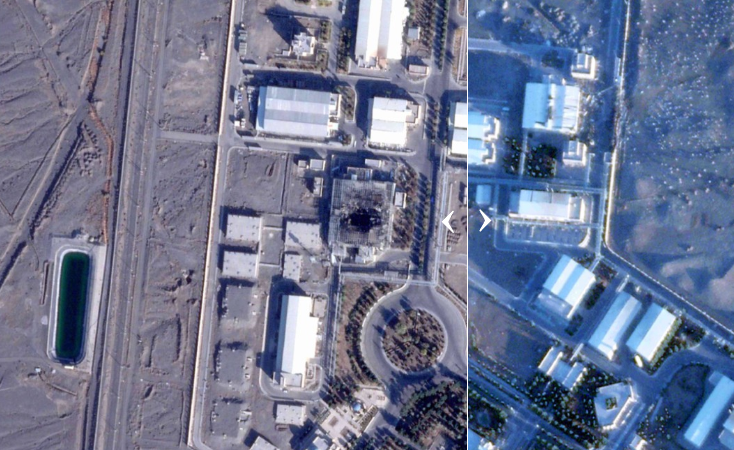
Iran quietly restores nuclear facilities after attacks (Photo: The Telegraph)
Reconstruction under pressure from protests and threats
The ramp-up of work comes at a challenging time for Tehran. Inside the country, protests continue, which have been harshly suppressed by security forces, while externally, Iran faces direct military and political pressure from the US, which has openly warned of its readiness to carry out new strikes if the nuclear program is revived.
Against this backdrop, even limited construction work at nuclear facilities is being seen as a political signal - a demonstration that Iran does not consider its program permanently destroyed and has no intention of abandoning it, despite the risk of further escalation.
US-Iran relations
Tensions between Iran and the US sharply escalated after Tehran violently suppressed anti-government protests in early January. According to human rights organizations, thousands of people were killed during the demonstrations.
US President Donald Trump instructed his team to prepare scenarios for rapid, decisive strikes against Iran, designed to demonstrate strength without drawing the United States into a prolonged war in the Middle East.
In addition, the US recently deployed an additional warship to the Middle East in response to the rising tensions with Iran.