Iran may have restocked missiles with Russia's help during US ceasefire — Bloomberg

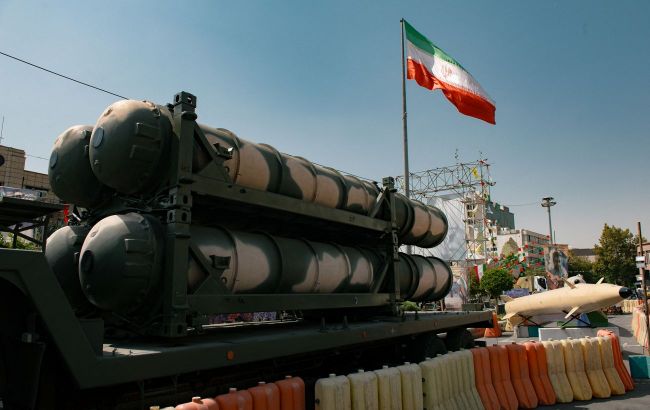 Photo: During the ceasefire with the US, Iran may have replenished its missile stockpiles with Russia's help (Getty Images)
During the eight-week ceasefire with the US, Iran has restored about three-quarters of its missile arsenal and replenished it with new Russian models. Tehran is now capable of launching a near-full-scale strike if hostilities resume, according to Bloomberg.
According to intelligence estimates, Tehran possesses about three-quarters of the ammunition it had before the war and could easily increase its stockpile.
This includes unspecified Russian missiles that were likely produced over the past year, according to one assessment.
This gives the Iranian military the firepower to launch a near-full-scale retaliatory strike should hostilities resume in the region.
In March, Iran had about 60% of its pre-war missile stockpile at its disposal at the height of the US and Israeli air campaign aimed at crippling its long-range strike capabilities.
From February 28 through April 8, when the ceasefire took effect, Iran launched more than 1,850 missiles across the region and at least twice as many Shahed-type drones.
According to US and Israeli estimates, they destroyed about two-thirds of Iran’s launchers in the first month of the war. US Defense Secretary Pete Hegseth stated in mid-March that the regime’s offensive capabilities had been reduced by 90%.
At the same time, US President Donald Trump stated last week that Iran had only 21–22% of its missiles remaining.
Many Iranian ballistic missiles and launchers were buried, that is, covered with debris that blocked the entrances to their underground storage facilities.
Most likely, Tehran used the ceasefire to reopen these depots and redistribute its stockpiles.
According to a source in Western intelligence, Iran could manufacture new Shaheds if it had access to fiberglass, explosives, guidance systems, and engines, although some of these materials, especially explosives, might be difficult to obtain after several weeks of bombing.
Producing new models would not pose a major challenge for Iran’s industrial base, even in wartime, notes Kelly Grieco, a senior fellow at the Stimson Center in Washington.
She notes that the fact that Iran currently retains a relatively large portion of its pre-war arsenal makes it difficult for the US to decide to resume full-scale attacks.
Bloomberg Economics analyst Becca Wasser notes that despite tactical successes, the US has not achieved its goal. It has not destroyed Iran’s defense-industrial base or significantly reduced its missile capabilities.
US-Iran deal
On June 11, US President Donald Trump made an optimistic statement about a possible agreement with Iran.
According to him, the agreement could be signed as early as this coming weekend, June 13–14, in Europe.
Meanwhile, Pakistani Prime Minister Shehbaz Sharif noted that the text of the peace agreement had been agreed upon.
Meanwhile, Iran refused to continue nuclear negotiations with the United States until the proposed interim agreement is fully implemented. Additionally, Tehran officially declared its exclusive sovereignty over the strategic Strait of Hormuz.