Iran faces new regime-collapse risk long sought by Mossad

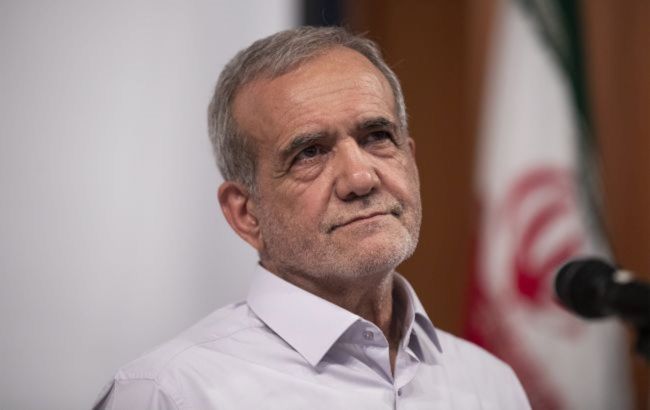 Masoud Pezeshkian (photo: Getty Images)
Iranian President Masoud Pezeshkian has urged the public to significantly reduce electricity consumption amid potential US-Israeli strikes on infrastructure, warning that such strikes could lead to shortages and public dissatisfaction with the regime, according to Al Jazeera.
Pezeshkian says the enemies are targeting their infrastructure and trying to encircle Iran to create public dissatisfaction and turn current satisfaction into discontent, stating that people should not allow conditions for dissatisfaction to emerge.
According to him, Iranians should now conserve electricity to avoid serious disruptions, as opponents in a potential conflict could strike infrastructure and worsen shortages.
The Iranian president added that no one needs people to make sacrifices, but electricity consumption should be controlled, recommending turning off two light bulbs instead of ten.
US-Israeli plans toward Iran
Recently, the United States said it could target Iranian infrastructure if a declared ceasefire is violated. Israel has also issued similar warnings to Tehran.
However, Iran's leadership rejects a peace agreement, arguing that Washington's demands are maximalist. These include the dismantling of Iran's nuclear program, which is a key goal of the current US administration.
Meanwhile, Israeli intelligence recently outlined a broader plan regarding Iran aimed at regime change. Tel Aviv is reportedly counting on mass protests inside the Islamic Republic, with the Mossad planning a series of operations designed to trigger internal unrest and achieve this without direct military action.
Negotiations, difficult issues
Iran and the United States held one round of talks in April, which produced no results. A second round was canceled, but this weekend the countries are expected to hold another meeting of representatives, though US Vice President JD Vance will not attend, unlike last time.
Another major sticking point in the war is control of shipping in the Strait of Hormuz, a strategic chokepoint involving both Tehran and Washington.