Iran ceasefire could hit Russia's war funding, Zelenskyy says

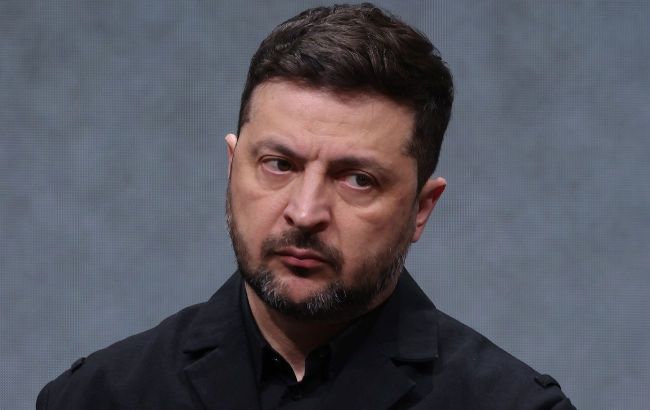 Ukrainian President Volodymyr Zelenskyy (photo: Getty Images)
Ukrainian President Volodymyr Zelenskyy said that peace in the Middle East and the unblocking of the Strait of Hormuz will deprive Russia of money for war. The price of oil has already begun to decline, and this is a clear signal to the aggressor country, Volodymyr Zelenskyy reports.
Ukraine supports the transition of the United States to diplomacy in resolving the situation around Iran, the Ukrainian leader said. A ceasefire in the Middle East creates new opportunities for global security, and the stabilization of the region is a direct blow to the Kremlin's ability to finance aggression.
"Even the announcement of a ceasefire has already allowed markets to respond positively — the price of oil has decreased. And this is also a correct signal to Russia that, in addition to our long-range sanctions, other tools will also work," Zelenskyy emphasized.
Moscow will no longer be able to manipulate the issue of energy shortages. Previously, calls to ease sanctions pressure were justified precisely by problems in the oil market, but now this argument is disappearing, he said.
Zelenskyy also noted that it was the Kremlin that was interested in destabilizing the Middle East. A prolonged war in that region played into the hands of the Russians, as it allowed them to profit from high prices and divert the world's attention.
"Oil fuels the Russian war and makes Russia confident. And that is why the Russians invested so much in supporting the Iranian regime and tried to prolong that war. And if it is possible to unblock the Strait of Hormuz — and this is a global necessity — Russian oil revenues should continue to decline," the Ukrainian leader concluded.
What is known about the situation around the Strait of Hormuz
The United States and Iran reached preliminary agreements to reduce tensions and establish a two-week ceasefire. However, the United States is already putting forward new conditions regarding the unblocking of the strait, refusing to allow Iran to charge money for the passage of vessels.
According to media reports, the first direct negotiations between Washington and Tehran since the beginning of the war are scheduled for Friday, April 10. They will take place in the capital of Pakistan, and the United States delegation will be led by Vice President JD Vance.