Hungary PM Magyar pushes election reform, wants to lower voting age

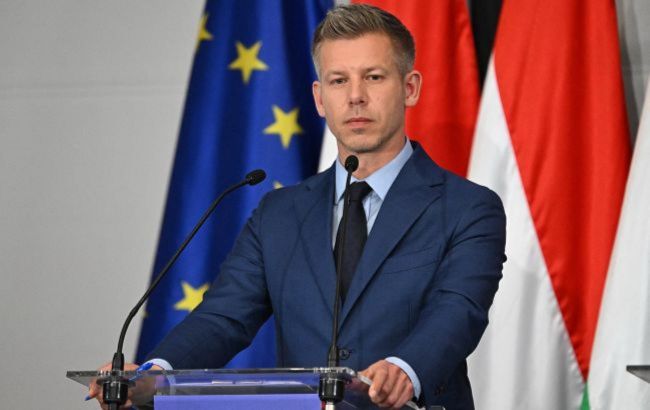 Hungarian Prime Minister Péter Magyar (photo: Getty Images)
Hungary considers lowering the voting age as part of its upcoming constitutional reform process. Supporters of the proposal argue that young people under 18 are sufficiently informed to take part in governing the country, according to a statement by Prime Minister Péter Magyar.
Lower voting age initiative
PM Magyar says today's generation of Hungarians under 18 is knowledgeable enough to help shape the country's decisions. He said he would personally support legislation to lower the voting age.
"I am convinced that today, most people under the age of 18 are sufficiently prepared and informed to have a say in our shared decisions. As far as I am concerned, during the constitutional process, I would support lowering the voting age to 16," Magyar said.
He also expressed hope that the upcoming constitutional amendment would raise standards in parliament. The prime minister stressed that only those genuinely committed to serving the country's interests should hold seats in the legislature.
Bringing tradition back to parliament
Magyar said that the work of the Hungarian National Assembly has become more dynamic in recent months, attracting greater interest from young people and bringing politics back to the center of public attention.
At the same time, he drew a historical parallel with the 1912 shooting inside the Hungarian parliament, suggesting that the institution's seriousness must be preserved.
"There is an English saying: when a clown moves into a palace, he does not become a king; the palace becomes a circus," the Hungarian leader said, emphasizing the importance of professionalism in politics.
Reshaping power in Hungary
Earlier, Hungary adopted its 17th constitutional amendment, launching a sweeping political reform.
The changes will make it possible to remove incumbent President Tamás Sulyok and the head of the Constitutional Court from office. The move effectively paves the way for a major restructuring of the country's governing system.
Prime Minister Péter Magyar also announced the start of a broad overhaul of the state, aimed at ending years of entrenched political control and removing long-serving officials from power.
The prime minister pledged to completely dismantle what he called the country's modern feudalism.