How to spot healthiest olive oil: Check this label first

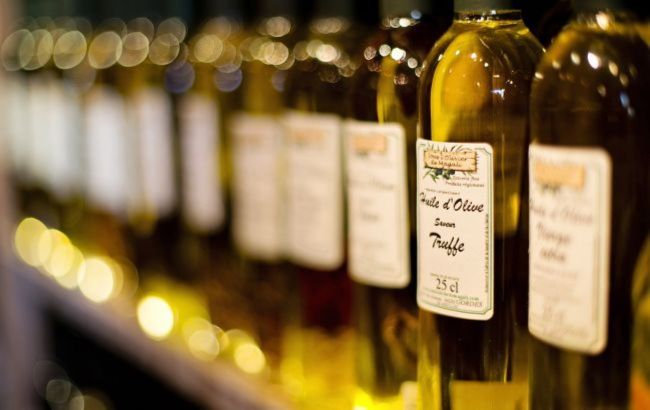 How to choose good olive oil (photo: Pixabay)
Olive oil is considered an undisputed leader among healthy fats. However, experts warn that most people buy refined products that have lost all their beneficial properties, according to Onet Gotowanie.
How to buy high-quality olive oil
Choosing the right cooking oil is crucial for our health. Although olive oil is a cornerstone of the famous Mediterranean diet, which is widely praised by doctors, not every bottle on store shelves is worth your money.
The real nutritional treasure is oil labeled extra virgin (first cold press). Ordinary olive oil, despite a similar name, undergoes heavy chemical processing that permanently removes its most valuable components.
Where nutrients disappear
The main difference between these two types of oil lies in how they are produced. Both regular olive oil and extra virgin varieties are rich in monounsaturated fatty acids (oleic acid), which help lower cholesterol and protect the heart. However, their similarities end there.
Extra virgin olive oil is produced exclusively through cold pressing. It is not exposed to high temperatures or refining. As a result, it retains a maximum amount of polyphenols — powerful antioxidants that neutralize free radicals and slow aging processes.
In addition, unrefined oil contains a range of fat-soluble vitamins (A, D, E, and K) and important minerals such as potassium, magnesium, and phosphorus. In contrast, regular olive oil undergoes refining using chemical processes.
This makes it more stable and extends its shelf life for industrial convenience, but it completely destroys its vitamin content.
The production process also significantly affects taste and culinary qualities. True extra virgin oil has a rich, natural aroma with light fruity notes. Experts say high-quality oil should have a peppery kick and a slight bitterness.
Refined olive oil has a completely neutral taste. This may be an advantage for those who do not want to alter the flavor of dishes, but from a culinary standpoint, it is essentially empty.
That is why these two types of oil are used differently:
- Extra virgin olive oil should be used exclusively for cold dishes: salad dressings, dips, and sauces.
- Regular olive oil is better suited for frying, as it can withstand higher temperatures due to its chemical stability.
Always read label
Supermarket shelves often hide misleading blends of different vegetable oils sold as olive oil. To avoid marketing tricks, always carefully read the label and pay attention to two key indicators:
Acidity level
This is the main quality marker. In extra virgin olive oil, acidity should never exceed 0.8% (ideally around 0.3%). By comparison, in regular refined oil, this level can reach 3%.
Best before date
Since true, unrefined oil is a living and minimally processed product, it spoils much faster than chemically stabilized alternatives. Always choose the freshest batches.
This material is for informational purposes only and should not be used for medical diagnosis or self-treatment. Our goal is to provide readers with accurate information about symptoms, causes, and methods of detecting diseases. RBС-Ukraine is not responsible for any diagnoses that readers may make based on materials from the resource. We do not recommend self-treatment and advise consulting a doctor in case of any health concerns.