How to make gold and silver shine again: Tips from Pandora, Tiffany & Co. and more

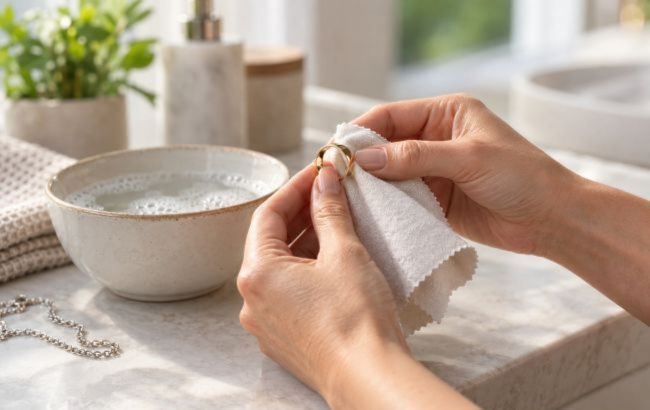 Learn how to restore shine to rings and chains and care for gold-plated jewelry and pearls (photo: Styler)
Gold and silver jewelry can lose its shine due to cosmetic residue and everyday grime. However, the right cleaning method depends on more than just the metal: pieces with gemstones, gold plating, or intentionally darkened patterns require more delicate care.
RBC-Ukraine explains how to properly clean gold and silver jewelry at home, which products to use, and what to avoid to prevent damage.
How to tell whether jewelry can be cleaned at home
Before cleaning, identify the jewelry's material and whether it has a coating or gemstone settings. If a piece combines several materials, follow the care requirements for the most delicate one.
If you don't know the jewelry's exact composition, start by gently wiping it with a soft, dry, lint-free cloth. Before using water or special cleaning products, check the manufacturer's recommendations.
Gold-plated jewelry, rhodium-plated pieces, and blackened silver require particular care. Stiff brushes, abrasive products, and vigorous rubbing can damage their surfaces. So, cleaning methods suitable for ordinary gold or silver aren't always appropriate for these pieces.
How to clean gold jewelry
For gold jewelry, the American Gem Society (AGS) recommends using a mild soap solution and gentle cleaning.
The steps below are suitable for plain gold jewelry without gemstones, enamel, or decorative coatings. If the manufacturer provides specific instructions, follow them.
- Prepare a solution. Add a small amount of mild dish soap to warm water.
- Clean the jewelry gently. Use a soft cloth or a soft-bristled brush for crevices and chain links. Do not apply too much pressure.
- Rinse off the soap. Rinse the piece thoroughly with clean, lukewarm water.
- Dry it. Blot with a lint-free cloth and let the jewelry dry completely before wearing or storing it.
Not every change in gold's color is caused by dirt. Gold alloys used in jewelry can darken because of the other metals in their composition. If stains remain after washing, consult a qualified professional.
How to remove tarnish from silver
Silver can tarnish when exposed to sulfur compounds, moisture, cosmetics, and household chemicals. To remove tarnish, Tiffany & Co. recommends using a silver-specific cleaning product and a soft cloth.
For ordinary silver jewelry without plating, gemstones, or decorative blackening, follow these steps:
- Choose a product specifically designed for silver jewelry and check the restrictions on its label.
- If the instructions recommend applying the product to a cloth, use a small amount and gently wipe the metal.
- Rinse off the product if the manufacturer requires it, and dry the jewelry thoroughly.
Do not polish decorative darkened recesses until they shine. On oxidized silver, this finish is part of the design. Polishing products can remove this finish; Tiffany recommends using a clean, dry cloth for such pieces.
Store cleaned silver in a dry place, separately from other jewelry, preferably in an anti-tarnish pouch.
How to care for gold-plated jewelry
Gold plating is a surface coating, so a product designed to clean the silver base underneath is not necessarily suitable for the outer finish.
For example, Pandora recommends the following care method for its rose gold-plated collection:
-
Lightly dampen a soft cloth in lukewarm water with a small amount of mild soap.
-
Gently wipe the jewelry.
-
Rinse off any soap residue with clean water, then pat dry with a soft cloth.
The brand advises against using silver polishing liquids, ultrasonic cleaners, and treated polishing cloths that are not designed for this type of coating. For other gold-plated pieces, check the manufacturer's care instructions.
If the gold plating has already worn away, cleaning will not restore it. A jeweler will need to assess the piece.
Which jewelry should not be soaked
For jewelry featuring pearls, opals, and emeralds, the Jewellery Council of South Africa recommends careful cleaning with a soft, damp cloth without soaking. For deeper cleaning, consult a jeweler, as the right method depends on the gemstone and any treatments it has undergone.
You should also avoid the following:
-
Cleaning jewelry with toothpaste or bleach: These can damage the surface.
-
Using an ultrasonic cleaner without checking compatibility, especially if a gemstone is loose or has a complicated setting.
When it's best to consult a jeweler
If stains remain after cleaning, the coating changes color, or scratches appear, the problem may be more than just dirt. Don't try to fix it by rubbing harder or using harsher products.
Also consult a jeweler if gemstones have become loose, a clasp is damaged, or the plating has started to wear off. You can't fix these problems with routine home cleaning.
For antique, expensive, or particularly valuable jewelry, consult the manufacturer or a jeweler before cleaning, especially if the materials or surface treatments are unknown.
To keep your jewelry clean for longer, remove it before cleaning, swimming, or exercising. Store each piece in a separate soft pouch or jewelry-box compartment to prevent scratches.