How sanctions are sinking Russia's shadow fleet

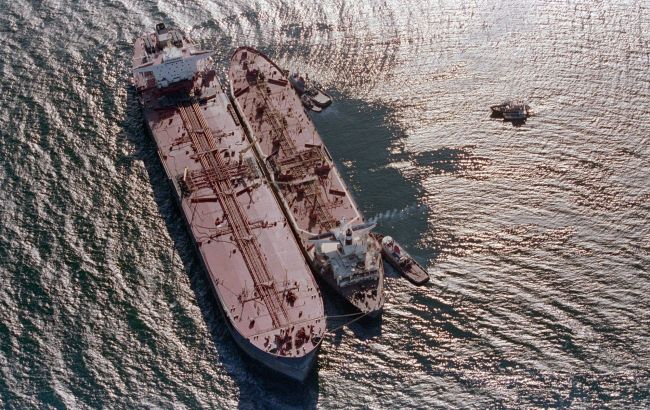 Illustrative photo: It is becoming increasingly difficult for Russian tankers to operate (Getty Images)
Russia’s so-called shadow fleet is going through difficult times due to US and European sanctions. The Kremlin is being forced to spend more and more to keep it operational, which in the long run makes the tanker fleet unprofitable, The Economist reports.
In December 2025, Russian shadow fleet tankers were transporting around 5 million barrels of sanctioned oil per day. This accounted for roughly 11% of global seaborne oil shipments, and every fifth tanker in the world was part of the shadow fleet.
However, US and European sanctions have created a situation in which tankers carrying more than 80% of Russia’s oil production are unable to obtain international certification, insurance, or even access banking services in developed countries.
On January 21, the European Union banned the import of petroleum products made from Russian oil. This move hit oil producers in Türkiye, India, and China particularly hard, as they process Russian crude into refined products.
Upcoming EU sanctions will prohibit European insurers from servicing any tankers transporting oil from Russia. Previously, an exemption allowed insurance if the oil was sold below the price cap.
The hard fate of shadow fleet tankers
Sanctioned tankers are facing a wide range of problems. They are forced to take longer routes to avoid inspections. They also have to carry out cargo transfers at sea more frequently to conceal the origin of the cargo. Ports and buyers are wary of sanctions, making times especially difficult for Russian and Iranian oil.
Overall, according to the outlet, the productivity of tankers placed on the EU’s blacklist has fallen by 30%, while those on a similar US list have seen productivity plunge by as much as 70%. This means Russia needs more tankers to move the same volumes. Paradoxically, old dark vessels are increasing in resale value.
No flag, no protection
Western countries have recently made a strategic move that has caused serious problems for Russia’s shadow fleet tankers: they have effectively stripped these vessels of their flags.
International maritime law requires ships to be registered and sail under a national flag, which allows them to legally sail and enter ports. If a vessel is suspected of being flagless, it can be detained by any navy in international waters or within territorial seas.
To protect its tankers from seizure, Russia has been forced to take them under direct control. Since mid-December, 32 sanctioned tankers have been added to Russia’s maritime register. This registry is closed, accepting only vessels that are directly owned by Russia.
Flying the Russian flag theoretically provides greater protection, but it also brings these ships out of the shadows. Moreover, the Kremlin can not protect all its tankers with warships and fighter jets. These vessels remain uninsurable, and military escorts are extremely expensive, placing even greater strain on Russia’s budget.
According to estimates, Russia’s shadow fleet consists of at least 900 vessels. Most of them are aging tankers operating under false flags, with questionable owners and opaque registration.
Recently, a group of 14 EU countries issued warnings to Russian shadow fleet tankers in the Baltic and North Seas. Vessels that fail to meet certain requirements will be treated as stateless, meaning any naval vessel could detain them.
The United States and Europe have also begun actively detaining Russian shadow tankers. Most recently, on January 22, the French Navy detained the Russian tanker, which is part of the shadow fleet and is under sanctions.