How Belarus' relay stations shutdown could impact Russia's strikes on Ukraine

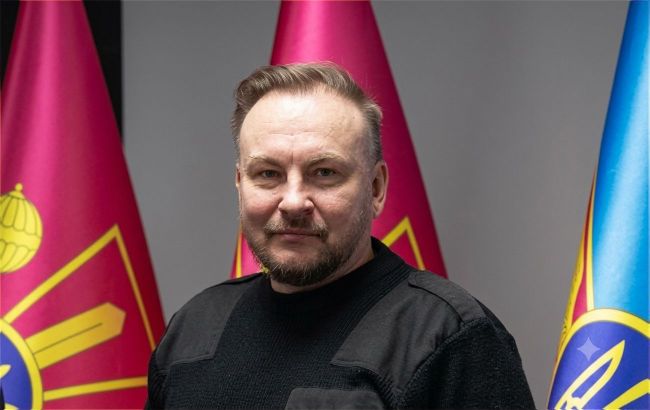 Photo: Serhii "Flash" Beskrestnov, adviser to the Minister of Defense (facebook.com Serhii.Flash)
Shahed drone attacks on Kyiv and western Ukraine will continue after Belarusian relay stations are switched off, but their nature will change significantly, stated the adviser to the Minister of Defense, Serhii "Flash" Beskrestnov.
According to Beskrestnov, without relay stations, Russia will no longer be able to control Shahed drones in real time — attacks will be carried out only using GPS coordinates.
The key loss for Russia is the reconnaissance capability. Thanks to networks of relay stations, Russian forces were not only conducting strikes but also gathering intelligence: identifying infrastructure targets, air defense positions, and more. This will no longer be possible.
Online attacks on moving targets, such as train locomotives and air defense systems, will also stop. This requires a mesh network and radio control channels, which are not available without relay stations.
The adviser also said Russia will lose the ability to identify corridors between Ukrainian interceptors.
According to him, Russian forces install cameras on drones that look upward, and the absence of interceptors serves as a signal to map out an attack corridor.
A week ago, President Volodymyr Zelenskyy warned Belarus and gave Alexander Lukashenko a week to dismantle four relay stations in the Gomel and Brest regions, threatening that Ukraine would do it otherwise.
Just a few days later, Belarusian media reported that Shahed drones had not flown along the border for three days. On June 24, Zelenskyy confirmed that the relay stations had stopped operating.