Himalayan disaster death toll nears 800 as more than 3,000 remain missing

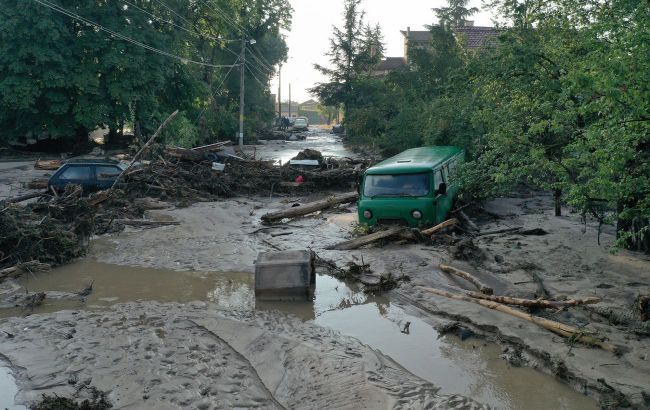 Aftermath of the flooding (illustrative photo: Getty Images)
Rescuers in Nepal and China are searching for thousands of missing people after a glacier collapse triggered a catastrophic mudslide in the Himalayas. The death toll has risen to nearly 800, while more than 3,000 people remain missing, Reuters reports.
On Wednesday, a torrent of ice, rocks, and mud swept through mountain valleys and rivers, leaving widespread destruction behind. Nepalese authorities report 781 people dead and another 2,502 missing. On the Chinese side, 16 people were killed, and another 546 are listed as missing.
In addition, 261 foreigners from 23 countries are missing in Tibet near the border with Nepal. The Red Cross estimates that more than 90,000 people have been affected in total.
China's Foreign Minister called the event the worst cross-border disaster for the two countries in recent years and described the rescue operation itself as unprecedentedly difficult.
The mountainous terrain of the Himalayas is greatly complicating the search for the missing. In recent days, residents and rescuers have had to move to higher ground after the Trishuli River rose again following fresh rainfall.
Operations have repeatedly been suspended for fear that a lake formed on the Nepal-China border after the collapse could trigger another wave of flooding. Although the lake had largely been drained by Saturday evening, drones have already detected a new landslide area downstream, where another natural reservoir is forming.
Search for people in tunnels
Particular attention is focused on five hydropower facilities flooded by the disaster, including the Upper Trishuli complex, where around 350 people are believed to be inside a tunnel.
Around 10,000 Nepalese troops have been deployed in the operation, along with specialists from China and India. On Sunday, the army delivered heavy equipment to the difficult-to-access site, and rescuers began clearing debris near the entrance to one of the tunnels.
"It's very tough because there's a lot of debris and we cannot blast things to make our way through," said Dharam Raj Uprety, chief of Nepal's national disaster management authority. The country's authorities have appealed for international assistance, saying they need tunnel rescue specialists, DNA testing, equipment for storing bodies, and forensic identification.
Mass burials
After days of unsuccessful searches for relatives in hospitals and morgues, Nepalese authorities began mass burials of hundreds of unidentified victims due to the risk of rapid decomposition. Hundreds of kilometers from the disaster zone, in Chitwan district, graves were dug for bodies carried downstream from the affected region.
On Saturday alone, 96 unidentified people were buried, with more than 100 others scheduled to be buried on Sunday. Before burial, authorities collected DNA samples and recorded the burial locations so that families could later identify their relatives.
According to police, more than half of the bodies recovered cannot be identified. Some have no faces, while in other cases only limbs or individual body parts remain.
On August 28, it became known that the number of missing Ukrainians had risen to 56. At that time, none of them had been reported injured or killed.