Gulf states eye oil pipelines to bypass Hormuz Strait — FT

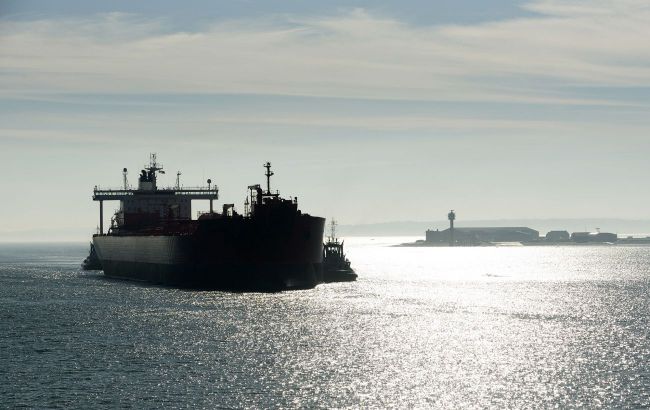 Photo: Gulf countries want to build oil pipelines bypassing the Strait of Hormuz (Getty Images)
Gulf countries are considering the construction of new oil pipelines that would allow oil to be transported bypassing the Strait of Hormuz, according to the Financial Times.
According to the agency’s sources, the new pipelines could be the only way to reduce the region’s dependence on the situation in the Strait of Hormuz.
At the same time, implementing such projects will be politically complex, costly, and take years, said a senior official with ties to the energy sector.
The conflict in the Middle East has underscored the strategic importance of the 1,200-km-long Saudi East-West pipeline, built in the 1980s following fears that the strait would be closed during the Iran-Iraq War.
Today, it transports about 7 million barrels of oil per day to the port of Yanbu on the Red Sea, completely bypassing the Strait of Hormuz.
Saudi Arabian authorities are considering increasing exports via pipelines, including expanding existing infrastructure or building new routes. Previously, such projects were repeatedly halted due to high costs and complexity, but now the mood in the region has shifted, and discussions are moving from theory to practice.
Experts believe that the most effective solution may be the creation of a pipeline network, although this is the most complex option.
In the long term, new pipelines could become part of broader trade routes for transporting various goods, not just energy resources.
Among the possible options is the revival of the transport corridor project between India, the Gulf states, and Europe, although it faces political challenges.
Israeli officials believe that pipelines to the Mediterranean Sea will ultimately be built through Israel or Egypt.
Nevertheless, the obstacles remain significant: the cost could range from $5 billion to $20 billion depending on the route, and there are serious security risks, including unexploded ordnance in Iraq and militant activity.
Pipelines to Oman also face geographical challenges, and local ports are not fully protected from attacks, as recent drone strikes have shown.
Political issues include control over the pipelines and the need for closer cooperation among countries in the region.
In the short term, the most realistic options are expanding existing routes in Saudi Arabia and the UAE, as well as developing new export terminals on the Red Sea.
Final decisions will likely depend on the long-term status of the Strait of Hormuz, while countries in the region already recognize the need for new approaches to energy security.
Strait of Hormuz situation
Following the launch of military operations by the US and Israel against Iran, Tehran blocked the Strait of Hormuz, a key global energy artery.
About 20% of the world’s oil and a significant portion of liquefied natural gas are transported through it.
US President Donald Trump told his aides that he was ready to end the war against Iran. He is willing to do so even if the Strait of Hormuz remains largely closed.
Trump also stated that countries affected by the blockade of the Strait of Hormuz should go and retrieve their own oil.
Furthermore, he claims that the US uses almost no oil from the Strait of Hormuz, and that countries interested in the blocked energy resources can freely purchase them from Washington.