Germany drops plans for largest warship since WWII

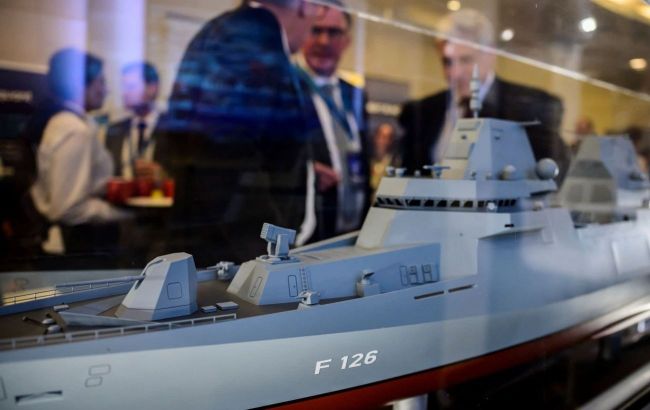 Photo: F126 frigate (Getty Images)
The German government has officially scrapped its ambitious plan to build six F126 frigates. This project was set to be the country’s largest naval initiative since World War II, according to the Financial Times.
Shares of defense giant Rheinmetall, which was to fulfill the military’s order, immediately fell by 12%. The company had expected to become the main contractor in this massive deal, as the contract was worth 12.8 billion euros.
The German Ministry of Defense explains its decision by noting that costs for the frigate project had spiraled out of control, leading to repeated delays.
The Ministry adds that this move would help avoid even greater losses. The government does not want to forfeit its right to seek compensation from the previous contractors.
What will replace F126 large frigates
Eight Meko frigates will be purchased to replace the problematic F126s. Four such vessels will cost approximately 1 billion euros each, and they will be used to counter submarines, primarily Russian ones.
As threats from Russia grow, the Alliance needs ships in the Baltic region. The North Atlantic also requires a constant presence. The new frigates must be commissioned as soon as possible.
Scale of losses for German budget
Germany wanted to become a leader in European defense. A total of 780 billion euros was allocated for a major military reform to be completed by the end of 2030. However, this particular case has become an example of failed procurement.
The consequences will be severe:
- About 2 billion euros in expenses will simply be written off
- F126 program is being discontinued
- Funding priorities will be revised.
The F126 frigate was supposed to be a true giant. Length: 166 meters. Weight: 10,000 metric tons. It was designed as a multi-purpose vessel for long-duration missions. Its ability to detect enemy submarines was particularly important.
Germany’s rearmament
The Germans, together with the French, unveiled a supertank equipped with an unmanned turret and drones. The new vehicle is capable of serving as a command center for robotic systems directly on the battlefield.
In addition, the German Army has ordered over 2,000 all-wheel-drive trucks from Rheinmetall. The contract is worth approximately one billion euros.