Geomagnetic storms may hit in final days of year: Who is most affected

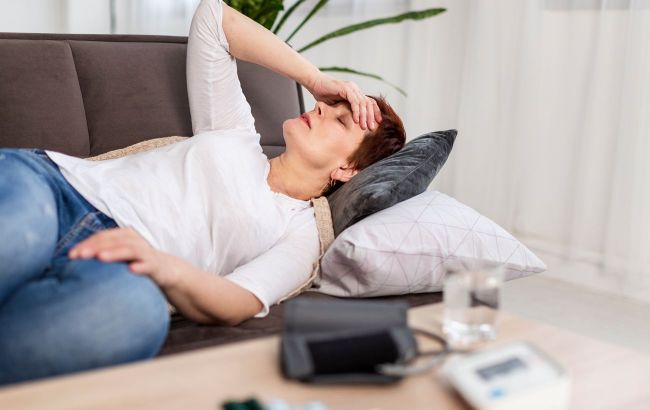 Will geomagnetic storms affect Ukraine over New Year (photo: Freepik.com)
From December 29, 2025, to January 3, 2026, Earth’s geomagnetic field will be affected by fluctuations in solar activity. According to global monitoring sources, geomagnetic disturbances may reach moderate levels on certain days, with brief peaks of activity.
RBC-Ukraine explains which days to watch and how space weather can affect your well-being.
Magnetic Storm Schedule by Day
Monday, December 29 – Moderate storm (K-index 4). A solar disturbance is expected to begin today. Sleep disruptions and sudden mood changes are possible. Fatigue may occur, so it is advisable not to overload yourself with tasks on the eve of the holidays.
Tuesday, December 30 – Strong storm (K-index 5-6). This is one of the most dangerous days of the period. Do not ignore headaches by attributing them solely to fatigue. A storm of this intensity can trigger blood pressure spikes and joint pain.
Wednesday, December 31 – Danger persists (K-index 5). New Year’s Eve will occur under the influence of geomagnetic fluctuations. Alcohol and fatty foods can amplify the impact of the magnetic storm on the cardiovascular system, so caution is recommended.
Thursday, January 1 – Moderate activity (K-index 4). The morning of the New Year may feel challenging, not only because of celebrations but also due to the residual effects of the solar wind. Irritability and reduced productivity are expected.
January 2–3 – Weak fluctuations (K-index 2-3). The Earth’s magnetic field will begin to stabilize. However, meteorosensitive individuals should remain cautious, as apathy and quick fatigue are possible.
What These Fluctuations Mean
Magnetic storms are natural variations in the Earth’s magnetic field caused by solar activity. When charged particles reach our planet, they can interact with Earth’s geomagnetic shield, causing disturbances that may affect not only technology but also human biological rhythms, particularly the cardiovascular and nervous systems.
Event intensity is measured on the K-index scale (0–9):
-
K-index 4–5 – Moderate storm (G1), causing slight discomfort;
-
K-index 6–7 – Strong storms (G2–G3), may cause temporary disruptions in power grids and navigation systems;
Who Is Affected by Magnetic Storms
The most sensitive groups include:
-
Meteosensitive and weather-dependent individuals;
-
People with hypertension or other cardiovascular conditions;
-
Individuals with chronic migraines or sleep disorders;
-
Emotionally unstable persons;
-
Pregnant women;
-
Elderly people;
Possible Physical Reactions
During heightened geomagnetic activity, individuals may experience:
-
Headaches or intensified migraines;
-
Increased fatigue and drowsiness;
-
Blood pressure fluctuations;
-
Irritability or mood swings;
-
Reduced concentration and attention;
-
In some elderly people, worsening heart symptoms;
What to Avoid During These Days
To prevent additional strain on the body during magnetic storms, doctors recommend avoiding:
-
Excessive consumption of caffeine, energy drinks, and alcohol further stresses the cardiovascular system;
-
Intense physical exertion;
-
Emotional conflicts and stress;
-
Skipping prescribed medication for chronic conditions;
How to Ease the Effects
To minimize the impact of magnetic storms on well-being, it is advisable to:
-
Maintain regular sleep (7–8 hours);
-
Drink enough clean water;
-
Take walks outdoors;
-
Ventilate rooms regularly;
-
Follow a healthy diet;
-
Rest and limit physical and mental strain;
-
Reduce stress levels;
-
Monitor your health;
-
Take prescribed medications.
Earlier, we wrote about 5 foods that increase the risk of migraine.
Sources: NOAA Space Weather Prediction Center, ESA Space Weather Coordination Centre, NASA Solar Dynamics Observatory, PMC, BioMed Central, Nature.
This material is for informational purposes only and should not be used for medical diagnosis or self-treatment. Our goal is to provide readers with accurate information about symptoms, causes, and methods of detecting diseases. RBС-Ukraine is not responsible for any diagnoses that readers may make based on materials from the resource. We do not recommend self-treatment and advise consulting a doctor in case of any health concerns.