Floors still sticky after mopping? These common mistakes may be to blame

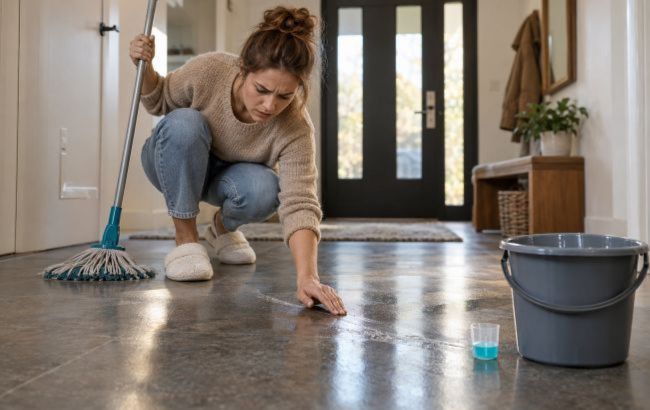 Experts reveal how to care for your mop and vacuum cleaner to keep your home tidy longer (photo: Styler)
After cleaning, sticky residue may remain on floors, while dust can linger on surfaces. Sometimes, the cause is using too much cleaning product, dirty equipment, or following the wrong cleaning sequence. These mistakes leave dirt behind and let new grime build up faster.
RBC-Ukraine explains common cleaning mistakes that make it harder to keep your home clean and how to avoid them.
Using too much cleaning product
If you pour cleaner without measuring, you can easily use too much. In its advice on cleaning wood floors, O-Cedar explains that using too much cleaning product can leave a sticky residue that attracts dirt.
Measure cleaning products according to the label instructions and choose one suitable for your flooring type. Dilute concentrates in the specified proportions and use ready-to-use products as directed by the manufacturer.
Cleaning the floors before dusting
When you clean furniture, dust and small debris settle on the floor, according to an article in Which?. That's why you should clean from top to bottom: start with upper shelves and cabinets, then move to lower surfaces. Finally, vacuum and mop the floor if the flooring can handle water.
When mopping, work from the farthest corner toward the exit to avoid stepping on areas you've already cleaned.
Mopping with dirty water
If you rinse your mop in the same dirty water throughout the cleaning process, some of the grime will end up back on the floor. Vileda recommends changing the water as it gets dirty. Sometimes, you'll need to do this several times during a single cleaning session.
Also, check the mop head. If it gets dirty, rinse it or switch to a clean one. After cleaning, wash the mop head according to the manufacturer's instructions.
Washing microfiber cloths with fabric softener
Fabric softener can reduce microfiber's ability to collect dust and dirt. According to cleaning product manufacturer E-Cloth, fabric softener leaves residue on the fibers that fills the gaps between them and reduces cleaning effectiveness.
Wash microfiber cloths without fabric softener, using a small amount of laundry detergent. Also avoid detergents that contain added softeners.
If you've accidentally washed a cloth with fabric softener, don't rush to throw it away. E-Cloth recommends rewashing its products immediately without softener, following the care instructions.
Choose the washing temperature and drying method according to the specific product's instructions, as not all cloths require the same care.
Failing to clean the vacuum cleaner
An overfilled dust bin, a dirty filter, and debris trapped in the nozzle can reduce cleaning performance. Dyson recommends emptying the bin as soon as the debris reaches the MAX line to maintain proper suction.
Don't allow the dust bin or bag to become overfilled. Clean the brush regularly and check the filters according to the manufacturer's instructions.
Always turn off the appliance before cleaning it. Wash only filters designed to be washed, and reinstall them only after they are completely dry.
Forgetting about the doormat
A doormat traps dust, sand, and moisture that enter your home from outside. However, dirt gradually accumulates on the mat itself, so it also needs regular care.
Ruggable recommends vacuuming its doormats, shaking them out outdoors when needed, and letting them dry completely after wet cleaning.
Make doormats part of your regular entryway cleaning routine, and don't forget to clean the floor underneath. Choose a washing method based on the manufacturer's recommendations, since not every doormat is machine washable.