Final results of parliamentary elections announced in Bulgaria

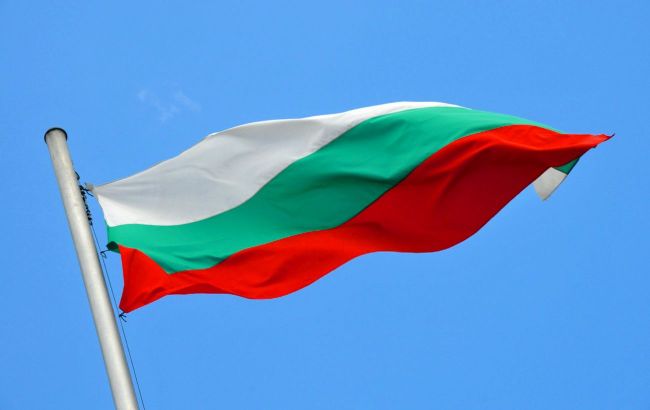 Photo: Bulgarian flag (flickr.com)
The final results determined the composition of the 52nd National Assembly and the distribution of seats among political forces. The leading force was Progressive Bulgaria, led by Rumen Radev, which will form the largest parliamentary group in the new legislature, according to Novinite.
The Progressive Bulgariaparty, associated with former president Rumen Radev, received 1,444,924 votes, or 44.594%.
Second place went to Boyko Borisov’s GERB party with 433,755 votes (13.387%). Third was the coalition We Continue the Change – Democratic Bulgaria, which received 408,845 votes (12.618%). The gap between them is nearly 25,000 votes.
The Democratic Party of Bulgaria, led by Delyan Peevski, also enters parliament with 7.120% of the vote. The smallest faction will be the Revival party of Kostadin Kostadinov, which cleared the electoral threshold with 4.257%.
A number of political forces failed to enter parliament, not passing the 4% threshold. Among them are Morality, Unity, Honor, Velichie, the Bulgarian Socialist Party, and Radiance.
Abroad, Progressive Bulgaria also led the vote, outperforming other political forces among diaspora voters.
According to the final distribution of seats, Progressive Bulgaria will receive 130 seats in parliament. GERB will have 39 MPs, the We Continue the Change – Democratic Bulgaria coalition will have 37, the Democratic Party of Bulgaria will have 21, and Revival will have 13 seats.
Elections in Bulgaria
The April 19 vote marked the eighth parliamentary election in Bulgaria since 2021, highlighting the country’s prolonged political instability. Voters elected 240 MPs across 31 multi-member constituencies, with the process organized by a caretaker government.
The new parliament is expected to form a government and adopt the state budget, meaning the election results will determine the country’s future political course.
Earlier reports indicated that one of the main frontrunners in the election was Rumen Radev. His rhetoric and positions, particularly regarding contacts with Russia, have often been compared to those of Hungarian Prime Minister Viktor Orbán.
Radev’s potential influence on government formation is expected to affect Bulgaria’s foreign policy, particularly regarding support for Ukraine within the EU and NATO.