European countries unite on response to Trump's demand for diesel reserves

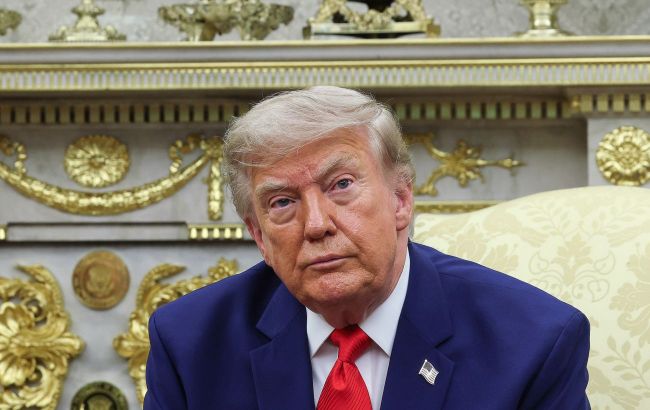 Photo: US President Donald Trump (Getty Images)
The United Kingdom, France, Germany, Italy and Ireland, together with the European Commission, have agreed on a joint response to a US demand that they open their diesel reserves. Otherwise, Washington could ban fuel exports to Europe, Politico reports.
According to sources, all five countries received confidential demands from the US to reduce their reserves. US Energy Secretary Chris Wright is giving Europe a choice: either release the reserves or risk a ban on US diesel exports.
The request involves 120 million barrels over six months. That is significantly more than one-third of the EU's total diesel reserves. Refusing Washington is not easy for Europe: the US supplies more than half of Europe's diesel imports, so a ban would hit the economy hard.
An emergency meeting was held on October 1. Participants agreed to respond to the pressure with a united voice, refer any decisions on releasing reserves to the International Energy Agency, and at the same time ease tensions in relations with the US.
According to one participant, the goal is de-escalation, and Washington should be addressed firmly but positively.
"When you're dealing with the hungry lion, you do not necessarily play dirty games with him," the source told the outlet.
On October 2, a wider group of countries will discuss the position, some of which are also facing pressure from the Trump administration.
Amid the wars in Ukraine and Iran, diesel prices in the US are rising sharply. This is hurting Trump ahead of the November midterm elections, so he is looking for ways to bring prices down.
The president has not ruled out an export ban, despite strong opposition from US oil producers.
"I’m thinking about it. I speak to Chris and Doug about it a lot — they sort of think it’ll help diesel, but it might raise the price of other things," Trump said, referring to Chris Wright and Interior Secretary Doug Burgum.
The fuel market has been volatile since spring. After Iran blocked the Strait of Hormuz, the International Energy Agency coordinated the release of oil reserves. According to the US side, some European countries only partially fulfilled their commitments at the time. US-Iran talks on reopening the strait have so far failed to produce results.
The US president blames Ukraine for the diesel crisis. Trump once again said that the market was hurt not by events in the Middle East, but by Ukrainian drone strikes on Russian oil refineries.
"You know, diesel is really hurt much more, not by the Middle East, but by what's going on in Russia, because those diesel refineries are being knocked out at a pretty alarming rate," Trump said.
In recent weeks, he has repeatedly called on Kyiv to stop attacks on Russian fuel infrastructure. According to Trump, Zelenskyy allegedly promised to slow down the strikes. At the same time, analysts cited by The New York Times believe the war with Iran and the closure of the Strait of Hormuz have a greater impact on prices.