EU voices concerns over Trump's Board of Peace authority — Reuters

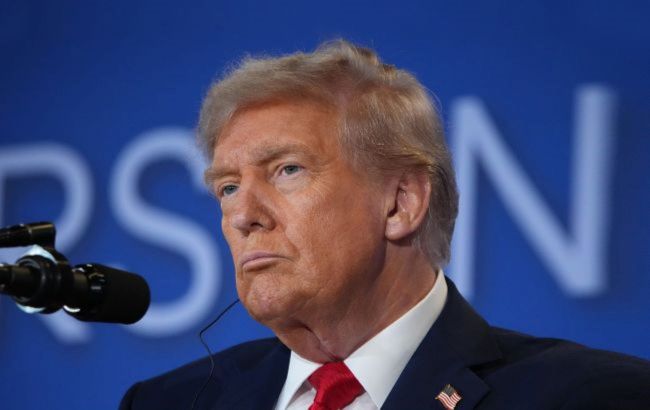 Photo: US President Donald Trump (Getty Images)
The European Union has questioned US President Donald Trump's new peace initiative, citing a dangerous concentration of power and a lack of alignment with international norms, Reuters reported.
Concentration of power risk
A confidential EU foreign service document obtained by Reuters flagged the broad and effectively unrestricted authority granted to Trump within the newly established Board of Peace.
The document notes that the Board charter raises serious concerns under EU constitutional principles and could undermine the Union's legal autonomy.
EU diplomats emphasize that concentrating such key powers in a single individual is unacceptable for potential EU participants.
Board's mandate exceeds UN authority
The mandate also significantly extends beyond the powers approved by the UN Security Council in November, which were limited exclusively to the Gaza conflict.
According to the charter, Donald Trump will serve as the permanent head of the Board of Peace. Initially, the Board will focus on Gaza, but its powers are expected to extend to other conflicts over time.
Member states are granted a three-year mandate, and achieving permanent membership requires the Board head's consent if they do not contribute $1 billion toward funding the Board's activities.
Trump, presenting the initiative, said that once fully formed, the Board would be able to do practically anything, in coordination with the UN.
EU hesitant to join US initiative
European Council President António Costa confirmed that there are serious doubts within the EU regarding the Board's scope, governance, and compliance with the UN Charter.
At the same time, he stressed that the EU is willing to work with the US on a comprehensive peace plan for Gaza, provided all actions strictly adhere to UN Security Council resolutions.
Several EU countries, including France and Spain, have already stated that they do not plan to join the Board.
Brussels officials view provisions in the charter that give the Board head the power to approve a member's level of participation as interference with the organizational autonomy of participants.
Trump's Board of Peace
The Board of Peace initiative was officially announced by Trump at the World Economic Forum in Davos on January 22. The US president called on world leaders to participate in the new conflict-resolution format, though the idea met with a cautious response in Europe.
It was later confirmed which countries would be part of the initiative.
The Board of Peace is expected to begin work on resolving the Gaza situation before turning its attention to the full-scale war in Ukraine and other international crises.
The inclusion of Russia drew particular attention, with Russian leader Vladimir Putin among the invitees. The Kremlin confirmed receipt of the invitation via diplomatic channels and said Moscow was reviewing the proposed format.