EU to transfer €1.4 billion in revenues from frozen Russian assets to Ukraine

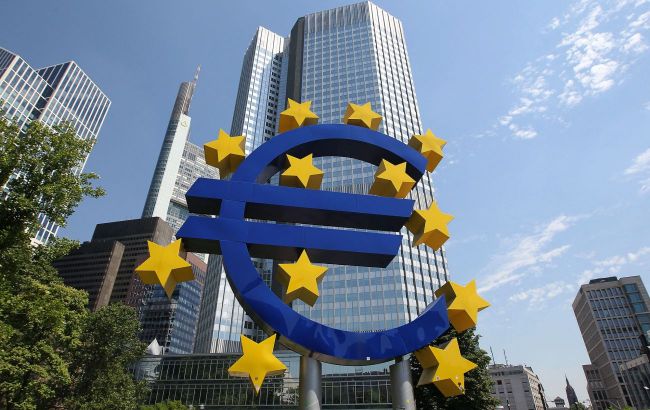 Photo: the European Commission allocates €1.4 billion to Ukraine from Russian assets (Getty Images)
Where the money comes from
The funds come from interest accrued on cash balances generated by assets of the Central Bank of Russia. The assets themselves are frozen in accordance with EU sanctions imposed in response to Russia’s aggression against Ukraine.
Russia’s frozen assets remain in central securities depositories and are not moved anywhere. However, the interest generated on these assets does not belong to Russia — it is instead directed to support Ukraine.
This tranche covers the income accumulated in the second half of 2025.
Where the money will go
The distribution of the funds is as follows:
- 95% — through the Ukraine Loan Cooperation Mechanism (ULCM). These funds are used to repay loans from EU macro-financial assistance and loans from G7 countries within this mechanism. The total volume of support under the mechanism is €45 billion.
- 5% — through the European Peace Facility (EPF). These funds are intended to cover urgent military and defense needs of Ukraine.
"These €1.4 billion will be directed where they are needed most: to sustain the Ukrainian State, preserve essential public services and support the brave Ukrainian Armed Forces," said European Commission President Ursula von der Leyen.
The EU’s foreign policy chief said that the European Union will return to plan A if the loan for Ukraine does not work out, referring to further discussions on a reparations loan.
Meanwhile, Hungary not only blocked a €90 billion loan for Ukraine, allegedly over the blocking of the Druzhba pipeline. Prime Minister Viktor Orban also threatened to halt gas supplies through his country.
Later, it became known that traders did not plan gas purchases via the Hungarian route. Ukraine currently receives gas only through Poland.