EU to cut price cap on Russian oil starting February 1

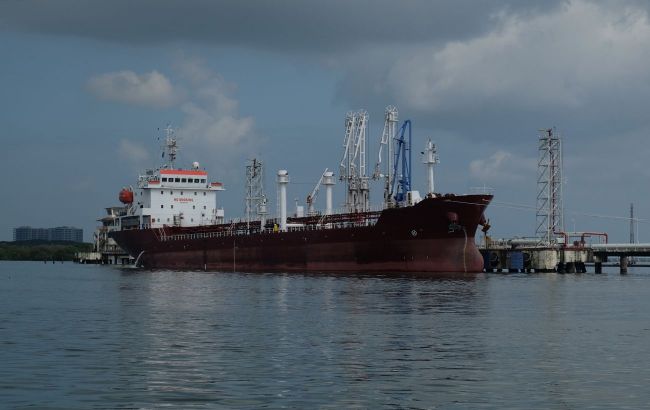 Photo: EU to lower price cap on Russian oil (Getty Images)
The European Union will lower the price cap on Russian oil to $44.1 per barrel on February 1, according to the EU Council.
In early December 2022, the G7 countries, as well as Australia and the EU, imposed price caps on Russian oil, setting a maximum level of $60 per barrel.
In February 2023, these countries introduced a new price cap on Russian petroleum products: $100 for diesel fuel and $45 for various lubricants. In September 2025, the price cap was lowered to $47.6 per barrel.
And from February 1, 2026, the price cap on Russian oil will be $44.1 per barrel.
The restrictions prohibit the provision of transport, insurance, and financial services for the supply of Russian oil sold above the set limit.
The EU emphasizes that the mechanism will be reviewed, taking into account market conditions and the effectiveness of restrictive measures.
Price cap on Russian oil
The price cap on Russian oil sets the maximum price at which countries can buy it from Russia. Transport and insurance companies will not be able to provide their services for transactions where the price of oil exceeds the limit.
Since December 2022, the G7 countries have had a cap of $60 per barrel.
The EU price cap will be automatically reviewed at least twice a year, depending on market prices. It will be set based on the average oil price over the last three months, minus 15%.
To maintain oil exports, Russia can either lower oil prices or use the so-called shadow fleet. These may be old tankers that are not subject to strict control, tankers registered in countries with softer transportation rules, such as Panama or Liberia. Russia uses the tanker fleets of Greece, Malta, and Cyprus to transport oil.
On July 18, 2025, the EU adopted the 18th package of sanctions against Russia, according to which the maximum price for Russian oil was reduced from $60 to $47.6 per barrel. The decision came into force on September 3.
In addition, an automatic and dynamic mechanism for setting future price limits was introduced. The price cap must be 15% lower than the average market price for Urals crude oil for the previous reporting period.
In addition, Canada also lowered the price cap on Russian oil by 12%.