EU outlines two options to use frozen Russian assets to fund Ukraine

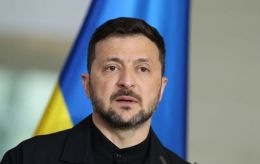
 Photo: The EU comments on the use of frozen Russian assets (Getty Images)
The European Union has proposed two basic options for using frozen Russian assets to provide financial support to Ukraine, according to EU economic affairs spokesperson Balazs Ujvari.
According to him, the EU has put forward "two fundamental solutions": a reparations-backed loan and an alternative option of joint borrowing. These proposals form the basis for further discussions and exchanges ahead of this week’s European Council summit.
"We have two solutions put forward, which would ensure that in 2026 and 2027, Ukraine has the financing it needs. It is true that, according to what we see and if you look at the figures, the very beginning of the year, Ukraine appears to be covered by and large, and then as of the early spring, "Ujvari said.
He added that this approach reflects the European Commission’s vision for the timeline of future financial decisions related to supporting Ukraine.
Frozen Russian assets
Previously, on December 12, EU countries agreed to freeze Russian assets worth €210 billion indefinitely. As a result, the decision will no longer need to be renewed every six months.
European Council President António Costa also confirmed that Russian assets will remain frozen until Russia’s war against Ukraine ends.
It has also been reported that the EU is considering providing Ukraine with a reparations loan backed by frozen Russian assets.
However, Belgium has opposed the move. A large share of Russia’s frozen assets is held in the Belgian-based depository Euroclear.
Belgian Prime Minister Bart De Wever has demanded that the EU provide legal and financial protections for Euroclear, including resources to cover potential risks if Russia imposes retaliatory sanctions.