EU moves to pass law for indefinite freeze on Russian assets – FT

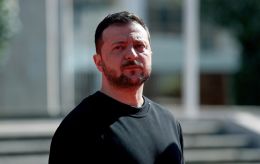
 Photo: Hungarian Prime Minister Viktor Orbán (Getty Images)
European Union countries want to fast-track a law on permanently freezing Russian assets worth €210 billion. The reason is to prevent a possible veto from Hungary’s Prime Minister Viktor Orbán, according to the Financial Times.
According to the media outlet, European officials are seeking to quickly approve a mechanism for using emergency powers that would allow them to bypass national vetoes when extending sanctions. This move is intended to ensure the EU maintains a stable position in US-led peace negotiations over the war in Ukraine.
Diplomats want to separate the issue of permanently freezing assets from discussions about granting Ukraine a large loan, which would also be funded by the profits from Russia’s immobilized assets.
Last week, the European Commission proposed using €210 billion in Russian assets to provide Kyiv with a €90 billion loan over two years. To implement this scheme, the assets must be blocked indefinitely — not every six months as they are now, when decisions require unanimous approval from all 27 member states.
Hungary’s position
Hungary traditionally opposes additional aid to Ukraine and regularly threatens to block the extension of sanctions. Brussels fears that Orbán could use his veto, especially if President Donald Trump’s administration decides to ease sanctions against Russia unilaterally.
To avoid that risk, the European Commission proposes invoking Article 122 of the EU treaties, which allows decisions to be adopted by a qualified majority in emergency economic situations. This would effectively remove Budapest’s ability to block asset-related decisions.
EU leaders are expected to discuss the plan for using frozen Russian assets to secure a reparations loan for Ukraine at the December 18–19 summit.
Reparations loan
The European Commission previously proposed giving Ukraine a reparations loan financed by frozen Russian assets. Unanimous support from EU countries is required, but the initiative is currently blocked by Belgium, which holds most of the assets. The country fears legal risks, although most of its concerns have already been addressed.
Due to the delay, the European Commission has begun looking for alternative assistance options. Ukraine is urging a political decision in December to approve a $163 billion loan package, which includes €115 billion for defense and €50 billion for budget support.
The main opponent remains Belgium, which still fears legal complications, even though most of its objections have been addressed. Meanwhile, Belgium’s prime minister sparked a scandal by saying that Russia’s defeat is supposedly “undesirable” and that “nobody believes” in Ukraine’s victory.