EU drafts backup plan in case US exits NATO — WSJ

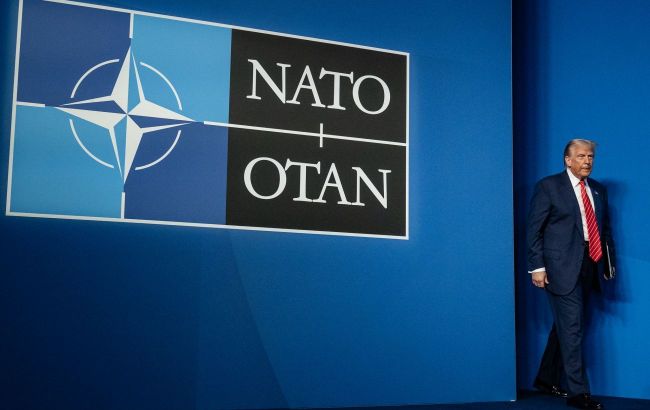 Photo: Europe is secretly developing a strategy to contain Russia
Faced with the threat of the US withdrawing from NATO, Europe has begun secretly drafting a plan that would allow it to defend itself against Russia, without American troops or guarantees, according to The Wall Street Journal.
Read also: Trump faces backlash over Jesus-style image
Officials involved in drafting the plans are trying to bring more Europeans into command and management roles within NATO, while simultaneously using their own resources to compensate for those provided by the US.
The goal is to preserve three things even in the event of a US troop withdrawal:
- Deterrence of Russia
- Continuity of military operations
- Nuclear guarantees.
These plans do not yet have official status and are not intended to replace the current Alliance.
First discussions
Work on the plans began as early as late 2025, after US President Donald Trump began threatening to annex Greenland, which is part of Denmark, a NATO member.
These discussions are now gaining new urgency. Trump called on Europe to support US military action against Iran in the Middle East, but the allies refused.
In response, the US President called NATO a paper tiger and announced a possible withdrawal.
Berlin changes position
For many years, Germany blocked French proposals for greater European sovereignty in defense and insisted on maintaining the US as the primary guarantor of security.
But with the arrival of Chancellor Friedrich Merz, the situation has changed. Berlin no longer objects to the European Union playing an independent role in defense.
NATO Secretary General Mark Rutte also recently stated that the Alliance will become more European.
Meanwhile, the EU is simultaneously preparing backup alliances in case of a crisis within NATO.
In this context, two key structures are being considered: the British-led Joint Expeditionary Force (JEF) and the Northern Defense Cooperation (Nordefco). Ukraine has already joined the former.
NATO allies generally do not take Trump’s threats literally. Most analysts consider a full US withdrawal unlikely. However, the rhetoric itself has already shifted the dynamics within the alliance.