EU discussing new measures to combat Russia’s shadow fleet

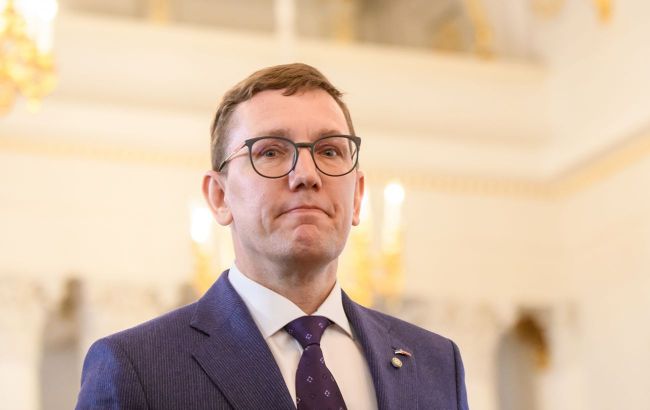 Photo: Estonian Prime Minister Kristen Michal (Getty Images)
European Union member states are discussing a number of new measures against the shadow fleet to further limit Russia’s options for circumventing oil sanctions, states Estonian Prime Minister Kristen Michal, according to Bloomberg.
According to Michal, several avenues for countering Russia’s shadow fleet are being discussed at the EU level, including:
-
Trade policy;
-
Visa policy;
-
Denial of services to states under whose flags these vessels operate.
By rough estimates, slightly less than half of Putin’s war funds come from the shadow fleet, the Estonian prime minister said.
Michal noted that Estonia is already actively involved in countering these vessels.
"Estonia is actively escorting those ships, asking for documentation, sometimes detaining (them). But the question is, can we do more? The answer is yes," he stressed.
Sanctions against Russia’s shadow fleet
On December 15, the European Council imposed new sanctions on nine individuals and entities that facilitate the operation of Russia’s so-called shadow fleet.
The list includes businessmen linked to Russian state oil companies Rosneft and Lukoil who control vessels transporting crude oil and petroleum products of Russian origin. According to the EU, they concealed the true origin of the cargoes and used illegal and risky transportation methods.
Sanctions were also imposed on shipping companies based in the United Arab Emirates, Vietnam, and Russia. These measures target owners and operators of tankers that are part of Russia’s shadow fleet and had already been subject to restrictive measures by the EU or other countries.
Earlier, in October 2025, the EU officially approved its 19th package of sanctions against Russia. The restrictions were aimed at reducing the Kremlin’s revenues, preventing sanctions circumvention through third countries, and targeting the shadow fleet.
According to Ukrainian intelligence, nearly one in six tankers worldwide now belongs to Russia’s so-called shadow fleet — about 17% of all active vessels of this type.