
EU considers freezing Russian oil price cap, Bloomberg reports

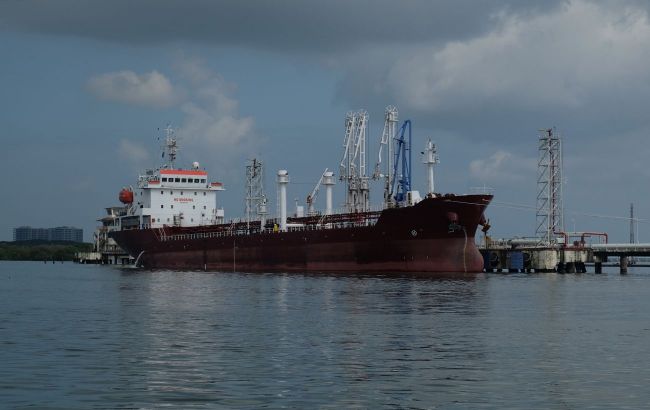 Photo: an oil tanker (Getty Images)
The war in the Middle East is forcing the European Union to reconsider its approach to restrictions on Russian oil. In Brussels, officials are discussing several scenarios for adjusting the current sanctions mechanism, according to Bloomberg.
According to the publication's sources, the EU is considering temporarily freezing the automatic review mechanism of the Russian oil price cap due to a sharp rise in global oil prices.
The current price cap for Russian Urals crude is set at $44.10 per barrel. It is automatically reviewed every six months and adjusted to a level 15% below the average market price.
However, due to rising oil prices, the next review this summer could push the cap to around $65 per barrel, which would effectively weaken the restrictions.
Options under consideration in Brussels
According to Bloomberg sources, one option is to keep the current cap at its existing level without allowing an automatic increase.
Another proposal is to temporarily suspend the dynamic mechanism until the end of the year, or to limit any future increase to $60 per barrel — the level previously agreed by G7 countries.
The goal of these measures is to prevent a weakening of sanctions pressure on Russia amid rising global oil prices.
New sanctions package against Russia
The discussions are taking place as part of preparations for the EU's 21st sanctions package against Russia, which Brussels plans to present in early June.
The package may include new restrictions on banks, oil traders, refineries, and cryptocurrency operators used by Moscow to bypass sanctions.
The EU also plans to expand sanctions against Russia's "shadow fleet." Around 20 additional tankers could be added to the list, and in the future, LNG carriers may also be targeted.
In addition, Brussels is considering further trade restrictions on certain metals, ores, and technologies that could be used by Russia's defense industry, as well as new export controls targeting companies from China, India, Turkey, and Central Asian countries.
A final decision on the new sanctions package has not yet been made. Adoption requires unanimous approval from all EU member states, and negotiations are ongoing.
According to Reuters, Ukrainian strikes on Russian oil refineries are increasingly affecting the country’s fuel sector. In May, diesel production fell by around 10%, following a similar decline in April.
Despite reduced refining volumes, Russia continues to maintain high levels of refined product exports.

