Electronic warfare fails: Russian fiber-optic drone detected on Kharkiv outskirts

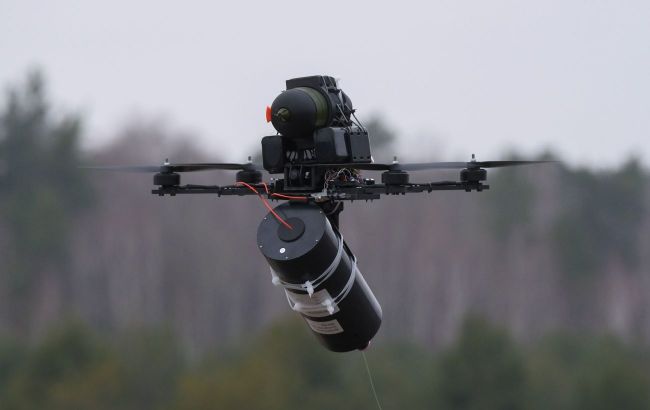 Photo: Russia uses fiber-optic drones to attack Kharkiv (Vitalii Nosach/RBC-Ukraine)
A Russian fiber-optic drone managed to reach the outskirts of Kharkiv, presenting a new technological challenge for Ukrainian detection systems, stated radio technology expert Serhii "Flash".
Read also: Ukraine ramps up road protection from Russian drone attacks, defense minister says
A new threat to the city
According to "Flash," the Russian fiber-optic drone reached the northern outskirts of Kharkiv.
The use of this technology is a serious challenge because standard detection tools are powerless against it.
"These are real threats that we will have to solve technologically. Detection based on electronic intelligence will not work here," the expert emphasized.
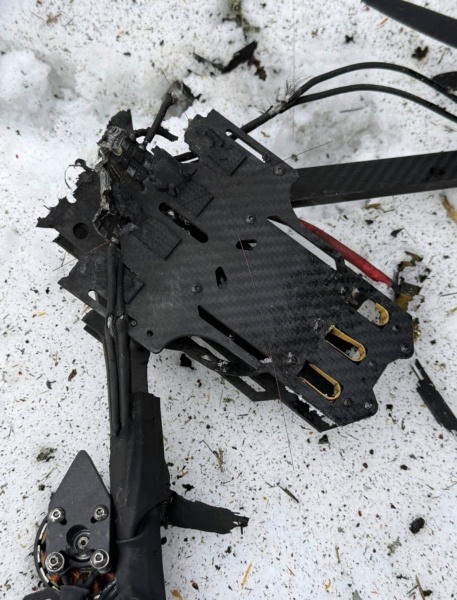
Photo: Russia uses fiber-optic drones to attack Kharkiv

Photo: Russia uses fiber-optic drones to attack Kharkiv
Countermeasure challenges
The specialist explained that fiber-optic drones emit no radio signals, so electronic intelligence systems cannot detect them. Even using radar systems does not guarantee protection.
"Radars can help, but for low-flying FPV drones, they are not a panacea. Acoustics? Possibly," Flash added, outlining potential countermeasure directions.
Protecting against drones
Ukraine is actively implementing new methods to defend against enemy drones, not only on the front lines but also in rear regions.
In the Sumy region, strategic sections of roads have been covered with special anti-drone nets to minimize risks to civilian and military traffic.
Recently, in Zaporizhzhia, the first protective anti-drone tunnel was constructed over a key section of a highway. These structures are designed to physically stop kamikaze drones before they reach their target.
Overall, Ukraine continues to strengthen road protection in frontline-adjacent areas, combining physical barriers with electronic warfare measures to counter different types of UAVs.