Dermatologist debunks 12 common acne myths everyone still believes

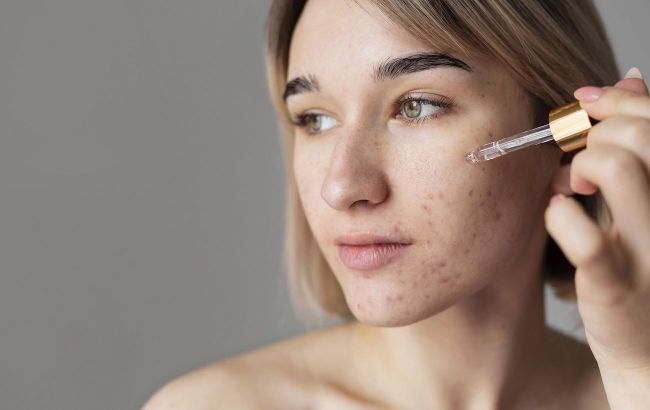 Photo: Which acne myths people still believe (Freepik)
Acne is one of the most common skin conditions in the world. Yet, many misconceptions about it persist. Some come from the Soviet era, while others are spread by experts without medical education.
Dermatologist Kateryna Bakiko explains the most popular myths about acne.
Myth 1: Acne only affects oily skin
In fact, this is not always true. While acne is often associated with overactive sebaceous glands producing more sebum, breakouts can also appear on combination or even dry skin. That’s why treatment and skincare are always selected individually.
Myth 2: Pimples should be dried out with alcohol
Alcohol, calendula tinctures, or so-called lotions can over-dry the skin. This leads to peeling, burning, and less effective treatment. Problematic skin also needs hydration.
Myth 3: Regular facials are essential
Facials are not a required procedure for acne. In fact, squeezing active, inflamed pimples can cause scarring and pigmentation. If treatment is properly selected, the need for mechanical cleansing often disappears.
Myth 4: The cause must be sought inside the body
Acne is primarily a skin disease. The main causes are related to skin cell function, clogged pores, and bacteria. Factors such as stress, hormonal changes, or certain medications may worsen the condition, but they are usually triggers, not the main cause.
Myth 5: You can’t use cosmetics with acne
Decorative cosmetics are allowed. The key is to choose non-comedogenic products and dermatocosmetics for problem skin. They can even help reduce inflammation and control sebum production.
Myth 6: Sun exposure treats acne
Sunlight can temporarily dry out breakouts. However, new flare-ups often follow a tan. Dermatologists recommend avoiding excessive sun and using sunscreen.
Myth 7: You must see other specialists
Acne is primarily treated by a dermatologist. In some cases, consultations with other doctors may be necessary, but this is the exception, not the rule.
Myth 8: You need many tests
Examinations are not always required. Tests are usually only necessary before long-term treatment or if there are accompanying symptoms indicating other health issues.
Myth 9: Acne can be cured quickly
Acne is a chronic condition with a fluctuating course. Treatment is usually long-term and includes not only the main therapy but also maintenance care.
Myth 10: Old-fashioned lotions are effective
Such remedies may dry out a single pimple, but they have little effect on the actual mechanism of the disease. Modern dermatology uses more effective medications.
Myth 11: Acne is caused by food
There is no complete dependency on diet. Some studies suggest a link with excessive sugar and dairy intake, but this is individual. The best strategy is a balanced diet.
Myth 12: Treatment requires expensive cosmetics
High price does not always mean effectiveness. The best option is to consult a dermatologist who can select skincare and treatment suited to your skin type.
This material is for informational purposes only and should not be used for medical diagnosis or self-treatment. Our goal is to provide readers with accurate information about symptoms, causes, and methods of detecting diseases. RBС-Ukraine is not responsible for any diagnoses that readers may make based on materials from the resource. We do not recommend self-treatment and advise consulting a doctor in case of any health concerns.