Damascus and Kurdish forces reach ceasefire deal in Syria

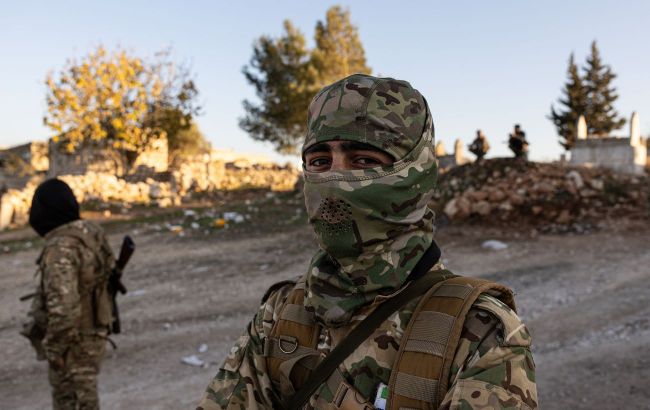 Syrian army soldiers (photo: Getty Images)
Syrian authorities and key Kurdish armed groups reached a major agreement to halt hostilities on January 18, Reuters reports.
The agreement provides for the transfer of civilian and military structures previously under Kurdish control to the administration of Damascus, effectively rolling back the semi-autonomous status of the country's northeastern regions.
Under the deal, the Syrian Democratic Forces (SDF), which had controlled these territories for more than a decade, agreed to withdraw their units from the provinces of Deir ez-Zor and Raqqa. These are strategically important regions: Deir ez-Zor is a key oil- and grain-producing area, while Raqqa hosts hydroelectric power plants on the Euphrates River.
The 14-point agreement, signed by Syrian President Ahmed al-Sharaa and SDF commander Mazloum Abdi, provides for the integration of Kurdish forces into the structures of Syria's ministries of defense and interior as separate units.
Damascus also takes control of border crossings, oil and gas fields, as well as prisons and camps holding Islamic State militants.
At the same time, the agreement includes limited concessions to the Kurdish side, including the right to propose candidates for certain positions in the central government and the appointment of a governor in the Kurdish province of Hasakah by consensus.
The document also obliges the SDF to remove non-Syrian representatives from the region linked to the Kurdistan Workers' Party.
US special envoy Tom Barrack called the agreement a "turning point," while Türkiye's Foreign Ministry welcomed the deal, stressing the importance of Syria's unity and territorial integrity.
Situation in Syria
Earlier reports said tensions had escalated in Aleppo between Syria's new authorities and Kurdish forces, who fear the government of President Ahmed al-Sharaa.
Dozens of Kurdish fighters left Aleppo. At the same time, the Syrian army said it was continuing an operation to clear the city, where, according to its data, armed groups remain despite a previously declared ceasefire.
Due to the fighting in Aleppo, a key highway to Türkiye and factories in the city's industrial zone were closed.
There were also reports that Syrian President Ahmed al-Sharaa postponed a visit to Germany amid the fighting with the Kurds. The trip had been scheduled for Monday and Tuesday, January 19 and 20, but was postponed without new dates being set.
Among the main topics of talks with German Federal Chancellor Friedrich Merz, a number of ministers, and representatives of German business circles were the return of Syrian refugees and Germany's possible participation in the country's post-war reconstruction after nearly 14 years of civil conflict.