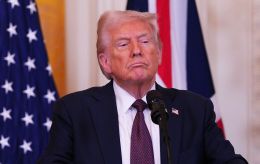
Syrian president postpones visit to Berlin: what's behind decision

 Photo: Syrian President Ahmed al-Sharaa (Getty Images)
Syrian President Ahmed al-Sharaa has postponed his visit to Germany amid fighting with Kurdish forces, according to Die Welt.
According to a spokesperson for the German federal government, the Syrian leader’s trip, which had been scheduled for Monday and Tuesday, January 19–20, was postponed without new dates being set. The official reason cited was developments inside Syria that require the personal presence of the head of the transitional administration.
During his planned stay in Berlin, al-Sharaa was expected to hold talks with German Chancellor Friedrich Merz and meet with several ministers as well as representatives of German business circles.
Key topics on the agenda were to include the return of Syrian refugees and the potential role of Germany in the country’s post-war reconstruction after nearly 14 years of civil conflict.
At the same time, Die Welt notes that the visit had been controversial from the outset. Al-Sharaa received the invitation to Berlin back in November, but Kurdish and Alawite communities in Germany sharply criticized the planned trip. They accused the Syrian authorities of oppressing ethnic and religious minorities and announced plans for mass protests during the president’s visit.
Escalation in Syria
As previously reported, dozens of Kurdish fighters have left Aleppo. Meanwhile, the Syrian army says it is continuing an operation to clear the city, claiming that armed groups remain there despite an earlier ceasefire announcement.
The escalation in Aleppo has deepened tensions between Syria’s new authorities and Kurdish forces, who fear the government led by President Ahmed al-Sharaa.
The United States and other countries have backed the ceasefire, but Kurdish units have refused to withdraw from their last stronghold in the city.
There have also been reports that supporters of former Syrian president Bashar al-Assad, who fled to Russia after his downfall, are transferring millions of dollars to potential fighters in an attempt to spark an uprising against the new government and regain lost influence.