Covert Persian Gulf oil shipments keep prices from soaring — Bloomberg

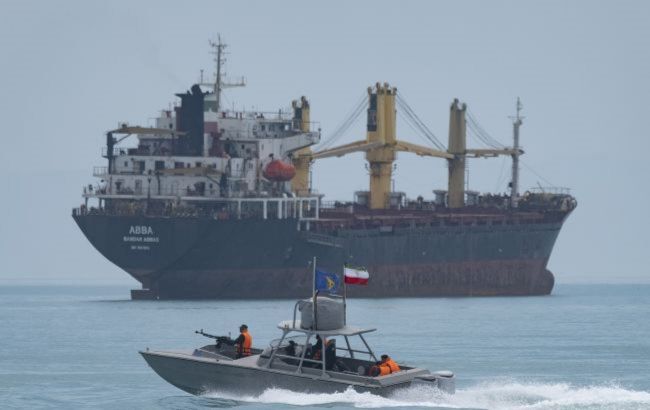 Oil prices held in check by covert shipments from Middle East (photo: Getty Images)
Middle Eastern oil producers have increased covert shuttle shipments through the Strait of Hormuz. This helps avert a severe global supply shortage and keep prices from surging, according to Bloomberg.
The outlet says that, despite the prolonged war with Iran and systematic attacks on civilian vessels, exporters from the Persian Gulf continue to transport significant volumes of oil.
For this purpose, they employ a ship-to-ship transfer scheme in the Gulf of Oman off Oman's coast.
Alternative routes, shipment volumes
Analysts say the volume of such covert transfers exceeds 4 million barrels per day. Vessels cross the Strait of Hormuz with their transponders turned off to protect themselves from attacks.
Thanks to shuttle shipments, alternative pipelines and the release of reserves, Brent crude prices have remained between $80 and $90 per barrel in August. This is significantly below the market's initial fears of a possible surge to $150.
Abu Dhabi National Oil Co. (Adnoc), the UAE's state-owned oil giant, confirmed that it intends to continue shipments despite the ongoing threat.
"Despite the repeated targeting of our vessels, we are determined to continue meeting our responsibility to safely deliver energy to global markets and to meet our customer commitments and needs as much as possible," Adnoc said.
The company also highlighted the risks to people and infrastructure.
"Like other energy companies in the region, we continue to bear the direct consequences of unprovoked attacks on our people, our ships and our facilities—attacks that place employees, contractors and seafarers at increased risk while disrupting critical energy flows," Adnoc added.
In addition to the UAE, Iraq, Qatar and Kuwait are using shuttle trading and at-sea transfers to export oil through the Strait of Hormuz.
Risks to shipping
Maintaining stable supplies remains dangerous:
- Since the start of the conflict, 23 Adnoc vessels have come under attack, leaving one person dead and 20 injured
- Oil spills of unknown origin have already been reported in the Gulf of Oman
- Insurance companies and shipowners are taking the risk only because there are limited alternatives.
"It's a dark trade. It's the only option right now as not all owners are willing to take the risk," Pankaj Khanna, CEO of Heidmar Maritime Holdings Corp., briefly described the situation.
Hormuz situation
As previously reported, tensions over the status of the strategic waterway escalated after US President Donald Trump announced plans to recognize the Strait of Hormuz as US territory.
Although the strait is legally under the jurisdiction of Iran and Oman, the US president said that Washington plans to assert its rights in the region in the near future.
Tehran reacted sharply to the statements. In Iran, Trump's plans for the Strait of Hormuz were mocked, with officials calling the initiative "fanciful delusions" and stressing that sovereignty cannot be seized through a social media post.
At the same time, Iran said it was prepared to continue blocking the key trade route if pressure from the United States persists.