Could the front line be frozen? New proposal gains attention in Ukraine talks

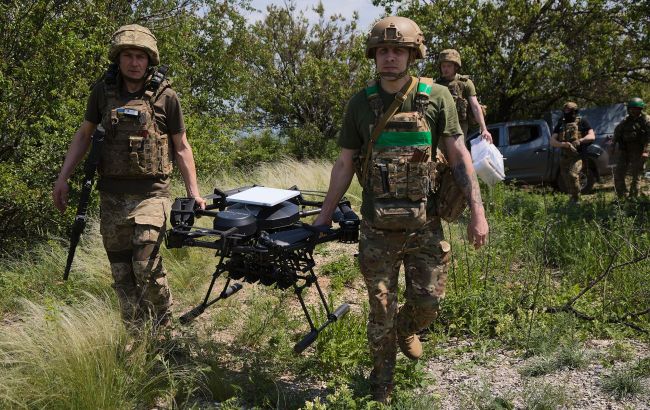 Photo: A new plan to freeze the war in Ukraine is being discussed (Getty Images)
Informal talks between Russia and the West have resumed, and among the ideas being discussed is a phased freeze of hostilities along the front line, The Economist reports.
What is being proposed in the talks
One of the ideas currently under discussion is a two-step freeze.
The first stage would involve limiting military activity to a zone extending 50-70 kilometers on either side of the front line. Only after that would negotiations move toward a broader agreement.
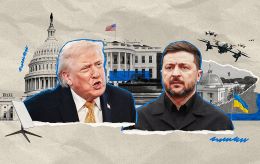
Ukraine and the team of US President Donald Trump are reportedly in daily contact.
When Russia could make a move
A senior Ukrainian official believes Russia is unlikely to take any meaningful steps before October.
According to the official, the Kremlin may want to offer Trump political support ahead of the elections and receive something in return.
The most likely scenario is that Russia will continue stalling until next spring. The strategy would be to wage a devastating winter campaign using missiles and drones against Ukraine's energy infrastructure in an effort to force Kyiv into concessions.
What Russia is demanding
There are still numerous obstacles to any peace agreement.
Russia continues to insist on the so-called "Anchorage formula" — a series of arrangements allegedly outlined with Trump during a Russia-US summit in Alaska last summer.
The proposed conditions include:
- Legal recognition of Russia's occupation of all of Donbas and Crimea;
- De facto recognition of the current front lines in the Zaporizhzhia and Kherson regions.
For Ukraine, these terms are unacceptable.
Why attitudes in Washington are changing
Two key views on the conflict are increasingly taking shape in Washington: Russia cannot be trusted, and Ukraine is viewed as the side gaining momentum rather than losing.
Ukraine's successful strikes on oil refineries in Moscow have not gone unnoticed in the US capital.
US Army Secretary Dan Driscoll said that the integration of battlefield technologies in Ukraine has advanced beyond that of the US armed forces. US Defense Secretary Pete Hegseth acknowledged that America has "learned a great deal" from Ukrainian drone operations.
Sources close to the White House also report a shift in Trump's personal attitude toward the war, saying the conflict has become more "humanised" for him.
"Trump got burnt by his Iran experience and now understands that without putting pressure on Putin he will not get what he wants," a former Ukrainian official said.
How the Iran deal could change the equation
A new agreement with Iran could theoretically create several opportunities for the United States at once.
The Trump administration could refocus its attention on Ukraine. A gradual decline in global energy prices could also create room for tougher sanctions on Russian oil and gas.
Most importantly, Russia could lose the windfall profits generated by high oil prices — estimated at $5-6 billion per month — that have helped the Kremlin finance the war from a relatively comfortable financial position.
"Putin once tried to pretend the war was far away. He can’t do it when Russians can see the smoke with their own eyes," Ukrainian diplomat Lana Zerkal said.
According to a survey by the Kyiv International Institute of Sociology, more than 60% of Ukrainians are willing to support a ceasefire along the current front line, but only if it is backed by credible security guarantees from allies.
Without such guarantees, a majority firmly rejects any truce.
As RBC-Ukraine previously reported, sources close to the Ukrainian presidency said the Kremlin's plan in the event of a freeze in hostilities would be to push Ukraine toward elections, deepen divisions within society, and achieve its goals through internal fragmentation.
Government sources believe the overall dynamics are now beginning to shift in Ukraine's favor.