Coliseum menu: What ancient Romans snacked on at gladiator spectacles

 What Romans ate at the Colosseum during gladiator fights 2000 years ago (photo: Getty Images)
Nearly 2000 years ago, ancient Romans attended gladiator fights and spectacles at the Colosseum while enjoying a variety of snacks. Recent archaeological finds in the sewer channels and around the amphitheatre have revealed the remains of foods eaten by Romans during that time. Far&Wide explains which dishes and ingredients were consumed during gladiator battles at the Colosseum.
Fresh fruits and berries
Plums. The consumption of plums is confirmed by plum pits found in the Colosseum's sewer channels. Since their shelf life was limited, Romans who grew these fruits across the empire ate them fresh, which coincided with summer festivals.
Figs. This Roman snack never went out of style. Figs, which farmers harvested fresh in the summer and preserved throughout the year, were ideal due to their portability, making them suitable for long hours of entertainment. The writer Pliny the Elder mentioned dozens of fig varieties of that period.
Grapes. Archaeologists found grape seeds buried around the Colosseum. Grapes were popular seasonal treats that spectators arriving from nearby farms or markets could easily bring with them.
Blackberries. Blackberries grew throughout the countryside and ripened for picking. Their presence suggests a practical approach to snacking: spectators combined foraged berries with items purchased from small vendors.
 Figs were a popular snack in Ancient Rome (photo: Freepik)
Nuts and olives
Walnuts. Walnut shells, often found in excavated layers, confirm that they were among the most accessible nuts. Romans valued them for their high fat content and long shelf life. Walnut trees grew across Italy and the provinces.
Hazelnuts. Less common hazelnuts held a slightly higher value due to their limited regional availability (grown in northern Italy and Gaul). Their presence in the ruins suggests more selective consumption, possibly by higher-status visitors who brought personal food items.
Olives. Romans consumed both green and black olives and often preserved them in brine. Olive production was a major industry, and olives were common in both street food and elite banquets.
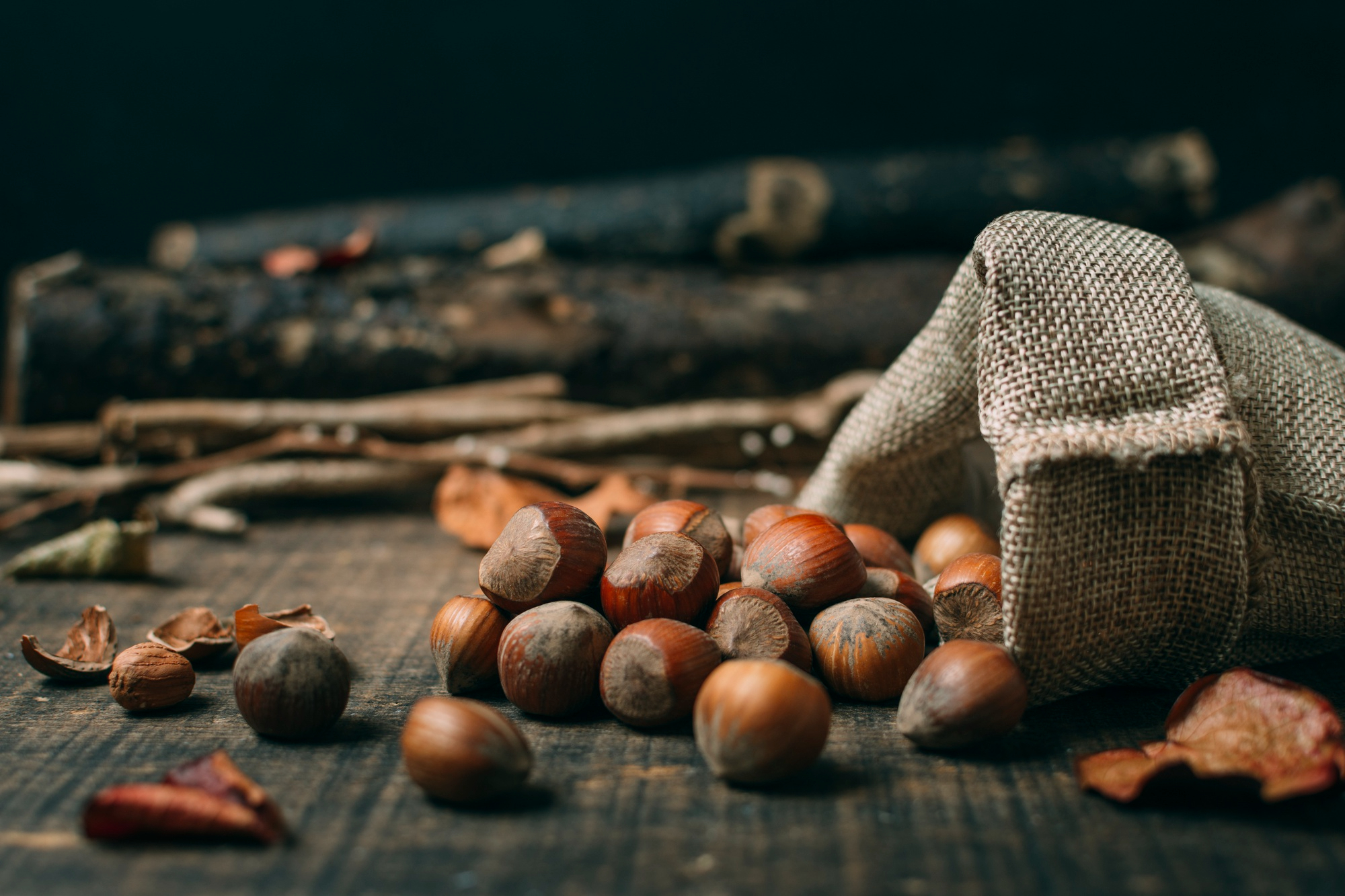 Hazelnuts were accessible only to some in Ancient Rome (photo: Freepik)
Staples and hearty snacks
Bread. Bread dominated the Roman diet. Archaeologists have uncovered a wide variety of breads, including soft loaves and dense barley rounds. Wealthier Romans brought fresh wheat loaves, while poorer spectators carried coarse barley bread or bought it at stalls near the arena.
Flatbreads. Flatbreads made from wheat or barley formed the basis of Roman street food. Archaeological findings (charred remains in Pompeii) show their prevalence. Spectators ate them plain or with herbs, cheese or preserved foods.
Cheese. Hard cheeses such as caseus aridus are mentioned in Roman agricultural manuals as long-lasting preserved foods. They didn't spoil quickly and paired easily with fruit or bread. Cheese was brought from home or bought near the Colosseum.
 Flatbreads in Rome were made from wheat or barley (photo: Freepik)
Hot and festive
Grilled meat. Animal bones with clear butchery marks found near the Colosseum indicate the sale and consumption of grilled meat, mainly pork, beef and lamb. Vendors likely sold freshly cooked meat outside the amphitheatre before spectators entered.
Honey pastries. Pastries sweetened with honey are mentioned in Roman recipes and inscriptions. They included flour, honey, poppy seeds and sometimes dried fruit or nuts. Their sale around the Colosseum reflected the festive, commercial atmosphere of Roman games.
 The tastiest sweets in Rome were honey pastries (photo: Freepik)
Elite and imported delicacies
Cherries. Cherries did not grow wild in Italy; they were brought there after Roman conquests in Asia Minor. This exotic background gave them elite status in Roman society. Their appearance at the Colosseum was, in part, a way to show off.
Peaches. These soft, aromatic fruits were difficult to transport and originated from Persia. They were grown only in select Roman gardens, making them seasonal and elite. If you saw someone with a peach at the Colosseum, it likely meant they had connections.
 Peaches at the Colosseum were eaten only by the wealthy or well-connected (photo: Freepik)